Introduction: A Sense of Discomfort with the Dalai Lama’s Rebirth
The Dalai Lama is known worldwide as a figure who reincarnates after death. This system, known as the “Tulku System,” has functioned as a spiritual cornerstone of Tibetan Buddhism for centuries. Yet, the deeper I explored the core teachings of Buddhism, the more I felt a profound contradiction in this belief.
Liberation (nirvana) in Buddhism is defined as the release from attachment and ignorance—the root causes of suffering. If so, why does the Dalai Lama keep being reborn? Has he not achieved liberation? Or does he choose to reincarnate on purpose?
Delving into this question, I learned that the concept of reincarnation did not originate in Buddhism but in Brahmanism. Buddhism, with its emphasis on non-self (anatman), emptiness (shunyata), and dependent origination (pratitya-samutpada), presents a worldview fundamentally different from that of Hindu traditions.
In this article, I explore the contradictions hidden in the Dalai Lama’s reincarnation from historical, philosophical, and cultural perspectives. As someone living with physical limitations, I also reflect on how to live meaningfully without clinging to the idea of “being reborn.”
Chapter 1: Is Rebirth a Buddhist Teaching?—The Differences Between Brahmanism and Buddhism
Atman and Karma—The Hindu Foundation of Rebirth
Around 1500 BCE, Aryan settlers in India formed what became Brahmanism. This worldview taught of the eternal soul (atman) and the universal principle (brahman). Atman was said to be immortal, taking on new forms through karma—the moral consequences of actions.
In this belief system, virtuous actions would lead to a higher rebirth, while immoral deeds would result in a lower one. Thus, reincarnation wasn’t merely an afterlife concept but a grand spiritual journey of the soul.
The Buddhist Revolution: Denying the Soul with the Doctrine of No-Self
By contrast, Buddhism emerged around the 5th century BCE with a radically different doctrine. At its core lies the teaching of anatman—”no-self.”
The Buddha taught that what we call the self is merely an aggregation of five constantly changing elements (skandhas): form, sensation, perception, mental formations, and consciousness. There is no eternal, unchanging self. The very premise of an immortal soul is rejected in Buddhism.
This idea may be difficult for modern readers to grasp, but it marks the revolutionary difference between Buddhism and Brahmanism.
Chapter 2: Rebirth in Buddhism Is Not the Journey of a Soul, but the Chain of Attachment
Dependent Origination and Non-Self: The Illusion of “I”
Buddhism places emphasis on the principle of dependent origination. Everything exists due to conditions and ceases when those conditions change.
A fire, for example, only burns if air, fuel, and heat are present. In the same way, the sense of “I” arises due to memory, the body, feelings, and consciousness. This “I” is a temporary phenomenon—there is no fixed or eternal self.
From this perspective, Buddhist rebirth is not about the transmigration of a self. It is the continuation of cause and effect—attachments, desires, and ignorance conditioning new existence.
What Is Liberation in Buddhism? Cutting the Chain of Rebirth
Liberation, therefore, is not moving to a better realm or attaining some eternal state. It means ending the cycle of suffering by letting go of ignorance and attachment.
Buddhism emphasizes the present mind: not being overwhelmed by anger, swept away by desire, or trapped by fear. That is the path beyond rebirth—the gateway to nirvana.
Chapter 3: The Birth of the Reincarnated Saint—The Tulku System in Tibetan Buddhism
The Reincarnation System Rooted in History and Politics
The Dalai Lama’s reincarnation is part of the Tulku System, established in the 13th century. It was not merely a religious teaching but also served to legitimize political rule. The idea of a holy being continuously reincarnating became a symbolic tool for maintaining continuity and loyalty among the people.
Bodhisattvas and Intentional Rebirth
The Tulku System draws upon the Mahayana concept of the Bodhisattva—a being who, despite being capable of attaining liberation, chooses to remain in the cycle of rebirth to help others.
In this framework, the Dalai Lama is portrayed as someone who attains enlightenment but returns to guide sentient beings. Yet, doesn’t this notion of “intentional rebirth” contradict the Buddhist concept of non-self?
Chapter 4: Buddhism Is Not an Answer—It Is a Method
A Practical Path to Resolve Suffering
Buddhism doesn’t claim to provide definitive answers. Rather, it offers methods to end suffering. The Noble Eightfold Path, the Four Noble Truths, and the Middle Way are not abstract ideas but practical guides to living wisely and compassionately.
Physical Suffering and the Realization of Buddhism
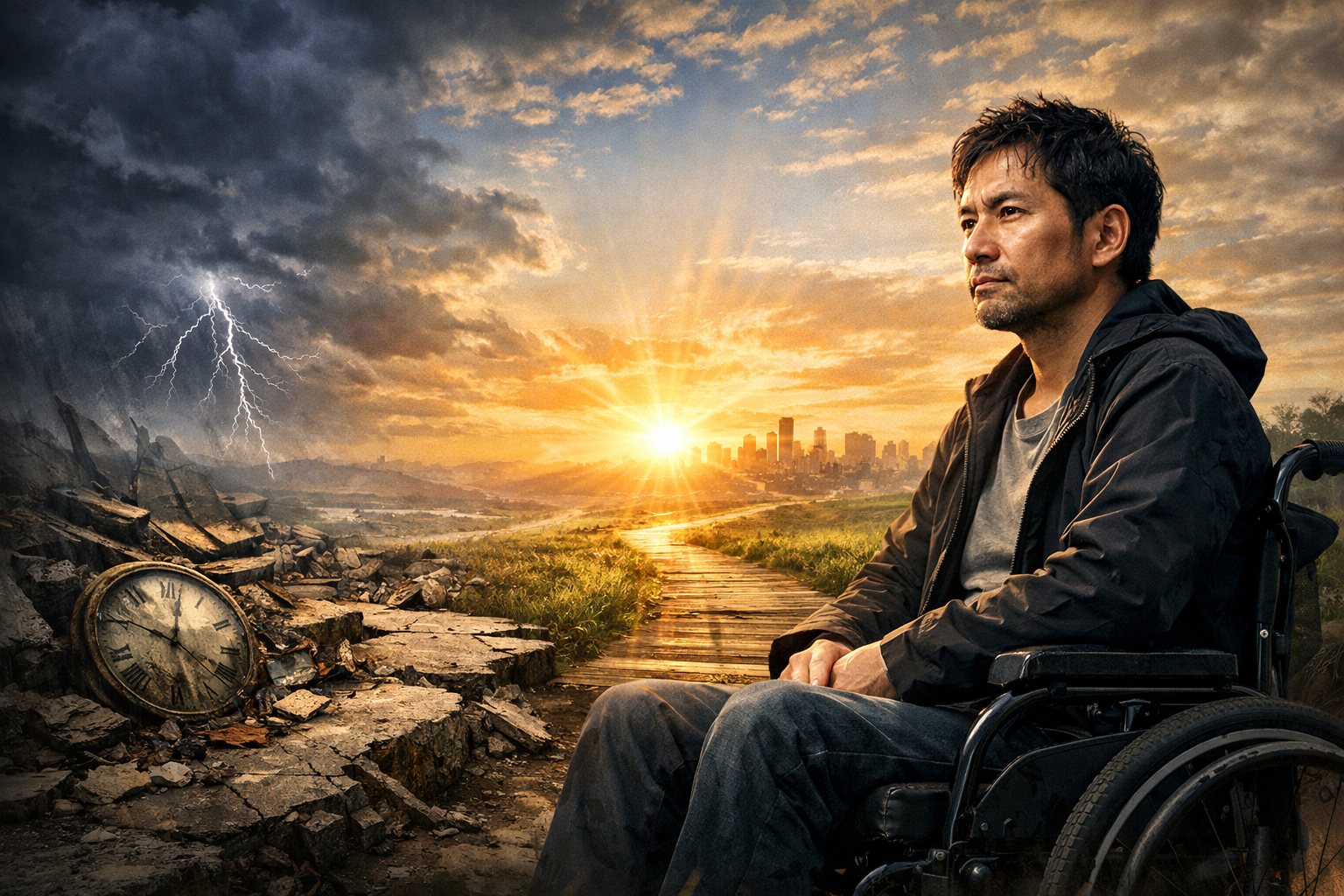
After acquiring a severe disability, I lost much of my former freedom. Pain and uncertainty became daily companions. But Buddhist insights—that all things are impermanent, that no suffering lasts forever—gave me strength. Buddhism is not about transcending life and death, but about how we live right now.
Chapter 5: The Power of Narrative—Why the Dalai Lama Still Matters
The Hope That Comes With “Returning”
The belief that a saint will return brings comfort beyond logic. In troubled times, stories offer strength. The Dalai Lama’s reincarnation is one such story—a symbol of enduring compassion and hope.
Between Faith and Philosophy
I don’t literally believe in rebirth or reincarnation. Yet I cannot dismiss the symbolic power of such narratives. Buddhism encourages us to sit with paradoxes and keep asking questions. That very act of inquiry may be closer to the essence of Buddhism than any answer.
Conclusion: Liberation Is Not About Being Reborn—It’s About Changing Here and Now
At face value, the Dalai Lama’s reincarnation seems to contradict the foundational principles of Buddhism. Yet it fulfills a profound social and spiritual function.
The heart of Buddhism lies in questioning, in letting go, in opening one’s eyes to the present moment.
You don’t need to believe in reincarnation. You don’t need to aim for liberation. But all of us seek freedom from suffering in our daily lives.
That small step, that shift in how we relate to now, is the essence of Buddhist practice.
It is not about being reborn—but about transforming here and now.















コメントを残す