There are things in life that no one can avoid. Many people might immediately think of “death,” but beyond that, there are various inevitable aspects of life that everyone must face. As someone who has acquired a severe disability later in life, I have had more opportunities to confront these “inevitable truths” that I had previously overlooked.
How we perceive and respond to these unchangeable realities significantly shapes our lives. Do we resist them endlessly, or do we accept them and carve our own path? In this article, I will explore the inevitable aspects of life from the perspectives of philosophy and truth.
1. Change (Impermanence)
Buddhism teaches the concept of “impermanence” (諸行無常), which states that all things are constantly changing. Our bodies, jobs, relationships, and environments are never static.
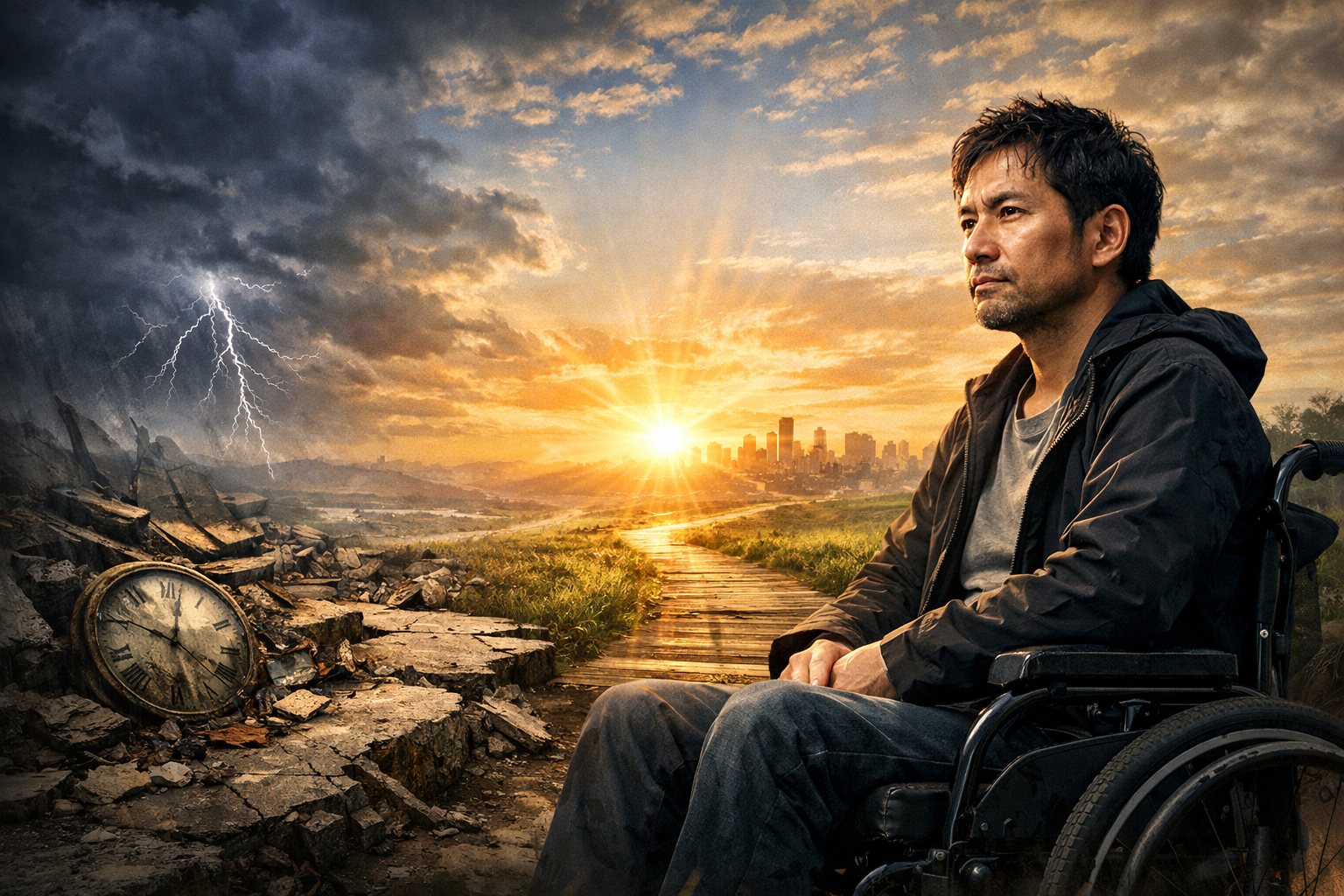
When I became disabled, my life changed overnight. I lost physical freedom, could no longer engage in certain hobbies, and my relationships with others shifted. Initially, I struggled against these changes, feeling overwhelmed. However, over time, I realized that change is inevitable. Once I accepted this truth, new possibilities emerged.
2. Suffering (Dukkha)
Buddha taught that “life is suffering.” No one can escape hardships, whether it be failure, illness, loss, or loneliness.
When I first acquired my disability, I asked myself, “Why did this happen to me?” But upon deeper reflection, I realized that everyone experiences suffering in some form. Suffering itself is not inherently negative—it is how we perceive and handle it that matters. Once I accepted suffering as part of life, it transformed from an insurmountable burden into a challenge that led to personal growth.
3. Imperfection
Humans are inherently imperfect. We make mistakes, and no one can achieve absolute perfection.
After becoming disabled, I encountered more limitations. Tasks that were once simple became difficult, and my pace of work slowed. However, I came to understand that everyone has limitations, whether visible or not. Instead of focusing on what I could no longer do, I chose to focus on what I could still achieve.
4. Choice and Responsibility
Existentialist philosopher Jean-Paul Sartre argued that “humans are free, but with freedom comes responsibility.” Every decision we make has consequences.
When I became disabled, I initially felt like all my choices had been taken away. However, looking back, I realized that I was still making choices—choosing to write, to learn counseling, and to find new paths forward. Freedom is not defined by the number of options available, but rather by how we choose to live within our circumstances.
5. Misunderstandings and Judgments
Socrates once said, “We cannot control how others perceive us.” No matter how sincerely we live, misunderstandings and misjudgments are inevitable.
After acquiring a disability, people viewed me differently. Some saw me as “pitiful,” while others praised me for “persevering.” But ultimately, I am just an ordinary person. Being misunderstood and misjudged is unavoidable. Instead of seeking validation from others, I decided to live by my own values.
6. The Passage of Time and Aging
Time moves forward for everyone equally. Aging is an unavoidable part of life.
When I became disabled, I initially thought, “My life is over.” But time did not stop. The past cannot be changed, and the future is not set in stone. The choices we make in the present shape what lies ahead. Thus, rather than dwelling on regrets, I choose to value the present moment.
7. The Gap Between Expectations and Reality
Life rarely unfolds as we expect. Disappointments are an inevitable part of existence.
I once believed that society would fully support people with disabilities. However, reality was far less accommodating. Yet, rather than blaming society, I realized that my expectations were simply too high. Letting go of unrealistic expectations allowed me to better navigate the realities of my situation.
How to Face These Truths
If we can accept the inevitable aspects of life, we can live more freely. Instead of fearing suffering and change, we should recognize them as fundamental truths and ask ourselves, “How do I want to live within these realities?”
Accept change and develop adaptability.
Transform suffering into meaningful experiences.
Embrace imperfection and focus on what we can do.
Recognize our freedom of choice and take responsibility.
Stay true to our values rather than seeking external validation.
Appreciate time and live in the present.
Release unrealistic expectations and embrace reality.
When we accept life’s inevitable truths, we become lighter and freer. Perhaps, that is the key to a truly fulfilling life.
















コメントを残す