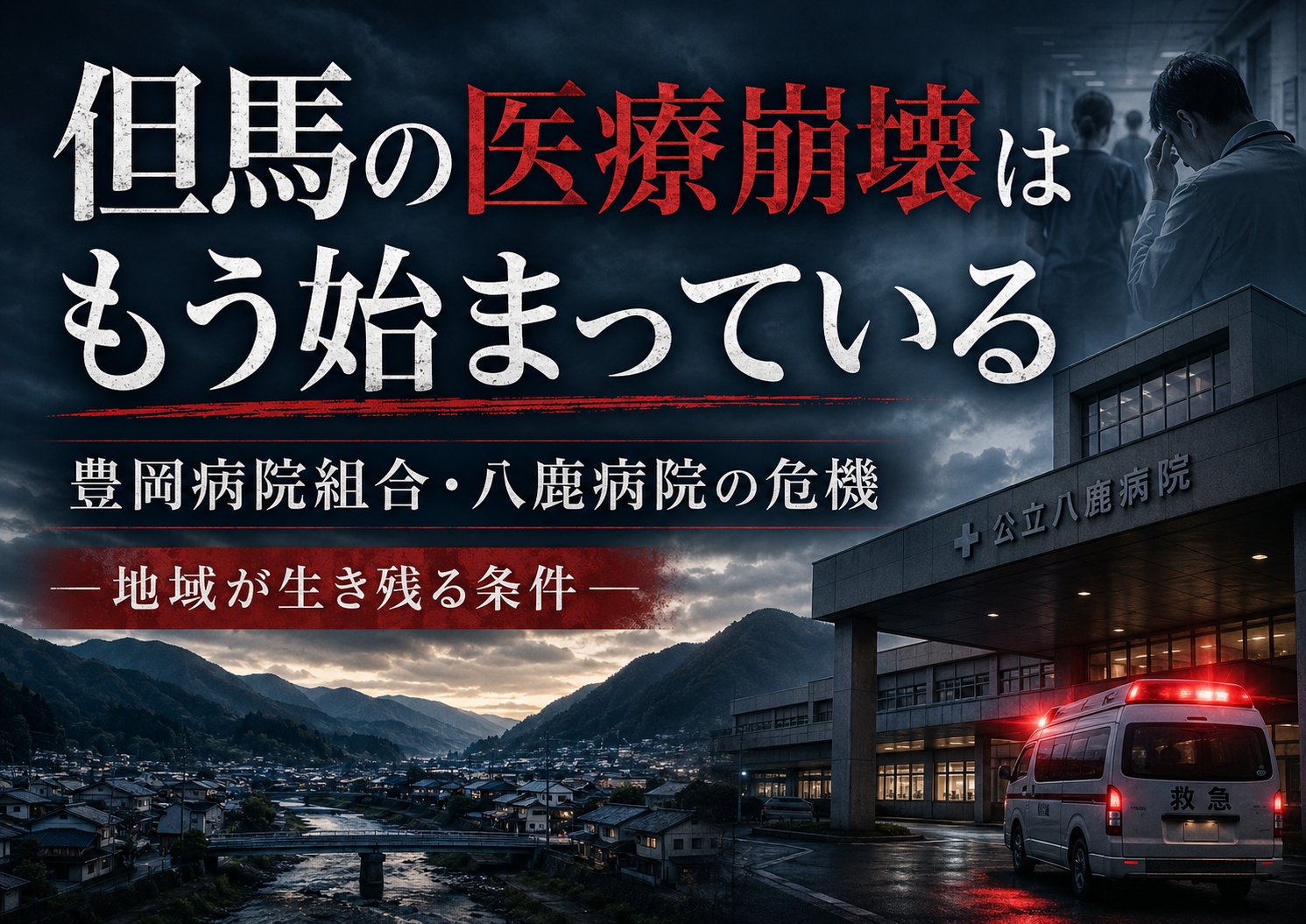
Japan’s local healthcare system reflects a critical challenge for its future. A shortage of medical professionals means fewer staff working tirelessly to support entire regions. While this situation affects everyone, it can be especially daunting for people with disabilities. Let me share my perspective as a disabled individual living in a rural area, and let’s explore how we can address this issue together.
“Getting to the hospital feels like climbing a mountain”
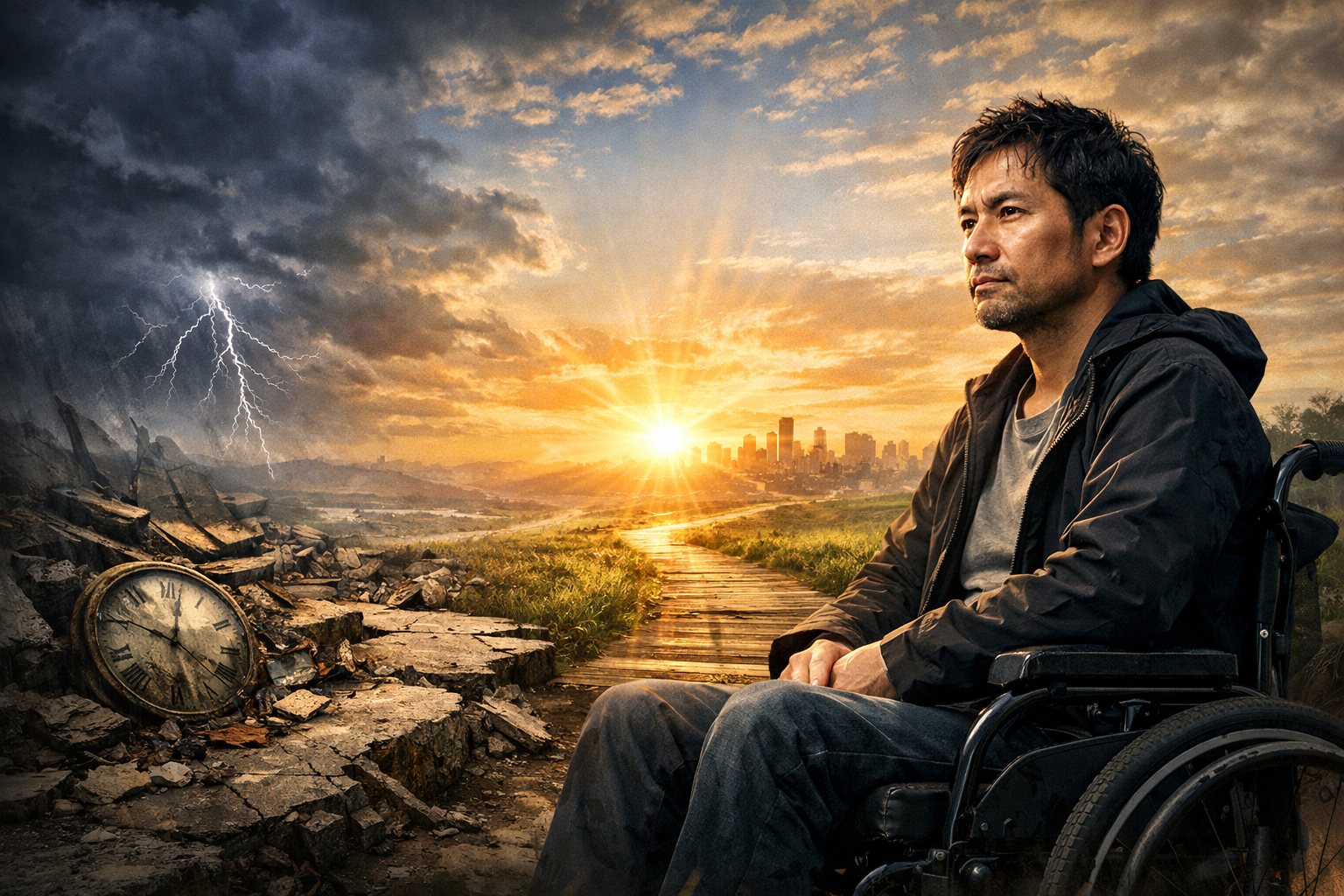
As someone with a severe physical disability, I live in a rural area where accessing medical care is a significant challenge. Public transportation is underdeveloped, and owning a car is essential for daily life. However, I cannot drive, leaving me reliant on my wife or caregivers to help with hospital visits. During emergencies, this limitation creates an overwhelming sense of vulnerability.
For many people with disabilities, accessing healthcare isn’t just inconvenient—it’s a daunting obstacle that amplifies feelings of isolation. The reality is that in rural areas, simply reaching a hospital can feel like a monumental task.
“No specialists nearby—so what’s the alternative?”
People with disabilities often require care from specialists due to complications or chronic conditions. However, in rural areas, the lack of specialists means traveling long distances for treatment. For instance, I depend on rehabilitation specialists to maintain my physical well-being, but options are scarce in my area. Rehabilitation requires consistency, yet the absence of local specialists forces many to make a difficult choice: endure exhausting travel or forego necessary care.
“The healers are exhausted themselves”
Medical professionals in rural areas face overwhelming workloads, often handling diverse tasks with limited resources. I witness this firsthand through my wife, a nurse at a local public hospital. After exhausting night shifts, she still manages to care for her patients, but the toll on her health and well-being is evident.
When medical professionals are overworked and exhausted, it directly impacts the quality of care for patients, including those with disabilities. Supporting these healthcare workers is essential to ensure a sustainable and effective system.
“Hope for the future”
Addressing the challenges in local healthcare is no small feat, but there are actionable steps we can take to build a brighter future. Below are a few potential solutions:
1. Expand access to online medical services
Online consultations can significantly reduce the burden of traveling to hospitals, especially for people with disabilities. Implementing specialized telemedicine services tailored to disabled individuals can help bridge the gap in rural healthcare.
2. Foster interdisciplinary collaboration
A healthcare system relying solely on doctors and nurses is unsustainable. By encouraging collaboration among various professionals—such as home care aides, physical therapists, and visiting nurses—we can reduce the strain on medical staff and improve overall care quality.
3. Strengthen community support
Local governments and residents must work together to support vulnerable populations. For example, establishing transportation services or volunteer-led shuttle programs can alleviate the stress of traveling to medical facilities.
4. Provide incentives for medical professionals
Offering financial incentives, housing assistance, and training opportunities can attract more medical professionals to rural areas. Creating a supportive environment for their career growth will ensure long-term sustainability.
“Leaving no one behind”
As someone who lives in a rural area and faces these challenges daily, I understand how difficult it can be to navigate the healthcare system. Yet, I firmly believe we can create a better future by addressing these issues collectively.
This article is a call to action. If this resonates with you, please share it with others. Raising awareness and fostering understanding is the first step toward meaningful change. Let’s make local healthcare something everyone can rely on, regardless of location or physical ability.
Together, one step at a time, we can create a brighter future.














コメントを残す