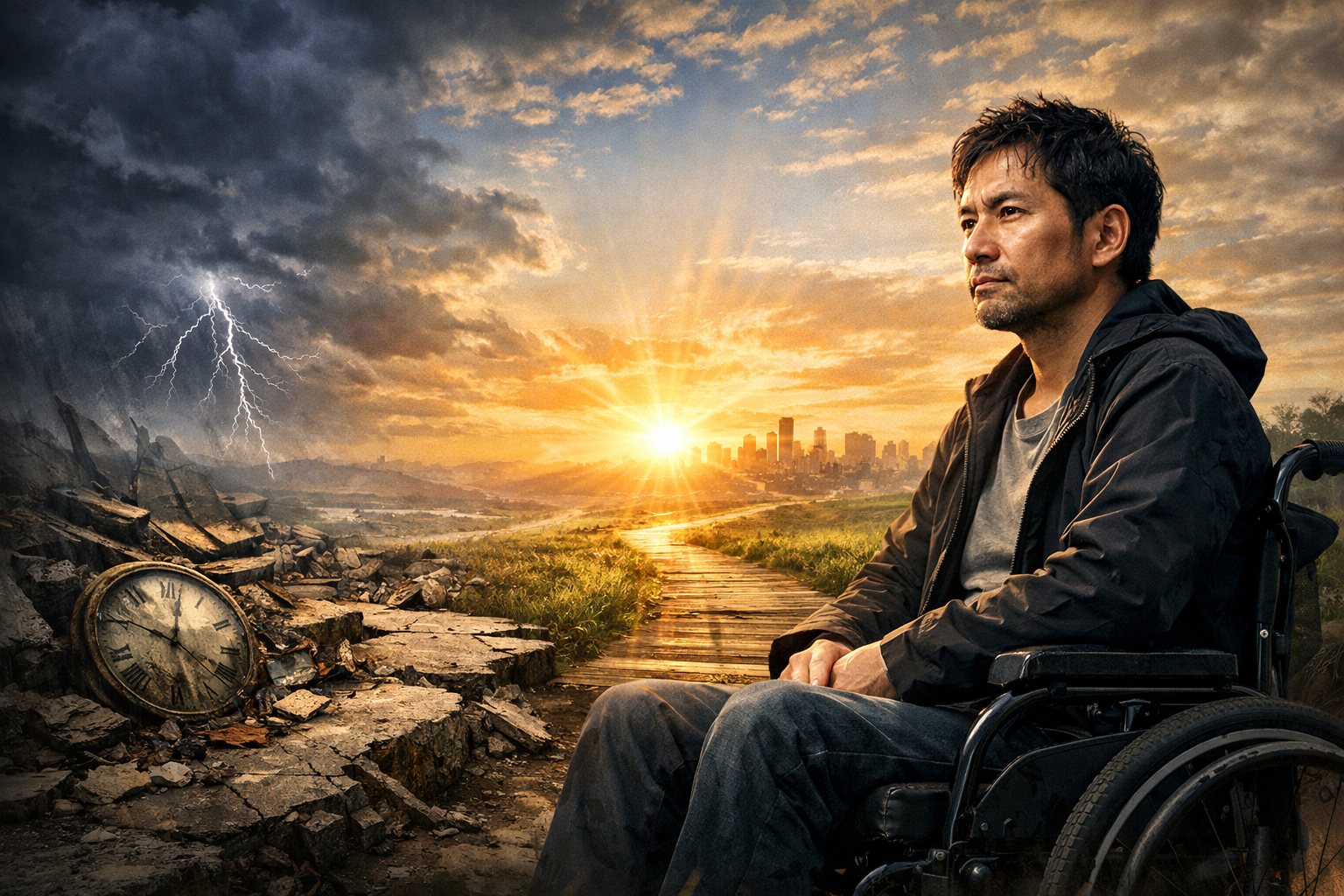
In today’s society, we often hear about the term “unconscious bias” in discussions about diversity and inclusion (D&I). Unconscious bias refers to the hidden prejudices or assumptions we hold that influence how we interact with others. Many companies and organizations are trying to eliminate these biases through training and programs, but as someone who has lived with a disability, I’ve come to believe that completely eliminating unconscious bias is impossible.
But why is that? My experiences as a person with a disability have shown me the deep-rooted nature of these biases, and I want to share those insights with you. At the same time, I believe that just because bias cannot be entirely eliminated doesn’t mean there’s no hope for change. Let’s explore this together.
Where Does Unconscious Bias Come From?
Unconscious bias is a result of the experiences and environments we grow up in—our families, schools, and the society around us. From childhood, we absorb a variety of values and cultural norms that unconsciously shape our ways of thinking and decision-making. This is a natural process of human development, and biases are one of its outcomes.
As a person with a disability, I often encounter situations where people automatically assume that I need help. This assumption comes not from malice, but often from a place of kindness. However, this “kindness” is also a form of unconscious bias, and most people, including myself, often don’t realize it.
Rather than seeing me as an independent person who can do many things, they unconsciously think, “Because this person has a disability, they must need help.” This automatic assumption is where the bias lies, and it’s not always easy to recognize or address.
The Inner Struggles We Face Every Day
Living with a disability, I have developed my own set of biases. For example, whenever I step into society, I often feel that “I might not be accepted.” This feeling stems from past experiences—discrimination, prejudice, and physical barriers that have built up over time.
However, this means that I too am holding onto unconscious biases. Society is changing, but sometimes I fail to notice it because I am still carrying old beliefs based on past experiences. This is why I believe that both people with disabilities and those around them need to continue challenging unconscious biases, including the ones we hold ourselves.
We Can’t Eliminate Bias, But We Can Recognize It
So, can we ever fully eliminate unconscious bias? To be honest, it’s extremely difficult. The biases we hold are deeply ingrained in our subconscious.
But even if we can’t completely get rid of bias, we can still “recognize” it. By consciously acknowledging the biases we carry, we can start questioning our assumptions and improve how we interact with others. This small step can make a big difference in our relationships.
Personally, I try to take a step back and reflect whenever I feel the need to help someone or when someone offers help to me. I ask myself, “Does this person truly need help? Am I acting based on my own assumptions?” This simple practice of questioning can be the first step toward reducing the impact of unconscious bias.
Empathy and Dialogue Open the Path Forward
We all carry biases. Instead of denying them, we should recognize them and approach others with empathy and a willingness to engage in dialogue.
As a person with a disability, I’ve learned that it’s not about demanding the elimination of all biases but about fostering mutual understanding and continuing to learn together. When we encounter someone who offers help, even if it comes from a biased perspective, we can use it as an opportunity for dialogue. Rather than assuming bad intentions, we can create space for learning and growth.
In Conclusion: Embrace Change and Move Forward Together
Accepting that we can’t eliminate unconscious bias is not a defeat. In fact, by recognizing bias, we can begin to move forward.
As a person with a disability, I see that society is slowly changing as people become more aware of these biases and work to reduce their impact. Major changes don’t happen overnight, but small shifts in awareness can accumulate over time and lead to widespread empathy and understanding.
What we are striving for is a society where everyone can live authentically. To get there, we need to face our biases head-on and engage in open dialogue with others. Let’s take it one step at a time.
If this article resonated with you, please share it with others. And take a moment to reflect on your own unconscious biases. It might just lead to a new conversation.













コメントを残す