Conclusion First (Why This Matters)
Ōyamatsumi (the mountain god) and Ōwatatsumi (the sea god) are not simply gods of “mountains” and “oceans.”
In Japanese mythology, they form a single circulation system—a living OS designed to keep the land, society, and human desire from collapsing.
What is sealed in this myth is not a monster, a curse, or a supernatural terror.
👉 What is sealed is human excess.
The urge to break cycles, overtake nature, and win in the short term—at the cost of everything else.
This article reveals that forgotten design.
🌍 A Simple Way to Understand the Myth (No Prior Knowledge Needed)
Think of Japan as a living system.
Mountains gather and store
→ water, forests, soil, life
The Sea carries and redistributes
→ salt, food, trade, outside influence
Rain falls from sea to mountain.
Rivers flow from mountain to sea.
Land exists only because this loop never stops.
Japanese mythology encoded this reality as gods.
Ōyamatsumi = accumulation, stability, inner structure
Ōwatatsumi = movement, circulation, connection to the outside
They are not opposites.
They are two poles of one breathing system.
🧠 The “Sealed Secret” — What Was Hidden on Purpose
In many myths, people imagine something dangerous being sealed away.
But here’s the twist:
Nature is not what needed sealing.
Humans are.
Ancient Japan understood something modern societies still struggle with:
Cycles demand balance
Balance limits greed
Greed hates limits
So mythology placed:
taboos
purification rituals
boundary gods
sacred no-go zones
Not to scare people with superstition—but to slow human overreach.
This is mythology as social engineering, not fantasy.
🧩 Why This Myth Still Explains Modern Collapse
Environmental destruction
Economic burnout
Local community collapse
Short-term profit addiction
These aren’t “new” problems.
They are the result of breaking the mountain–sea loop:
taking without returning
extracting without restoring
expanding without circulation
Japanese myth didn’t worship nature blindly.
It designed guardrails against human runaway behavior.
🏔️🌊 From Myth to Real Land: The Case of Kannabe (神鍋)
The article also connects mythology to real geography.
A volcanic crater named Kannabe (“divine pot”)
A literal container in the land
A place where inside/outside, mountain/sea, storage/flow overlap
The land itself mirrors the myth.
Not metaphorically—structurally.
🧭 The Core Message (In One Sentence)
Land is not something to own.
It is a circulation system you must not break.
Ōyamatsumi and Ōwatatsumi are not ancient relics.
They are warnings.

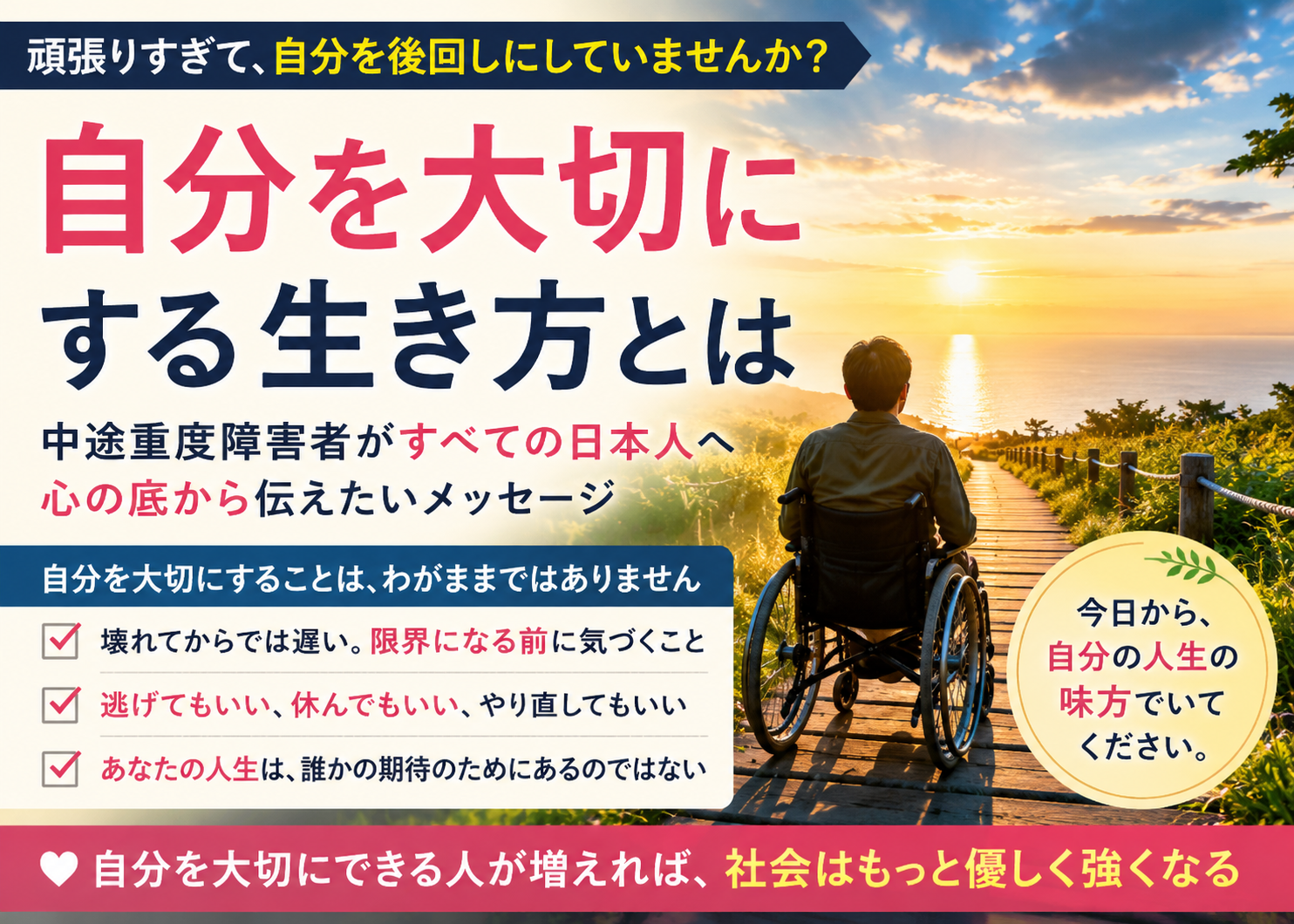
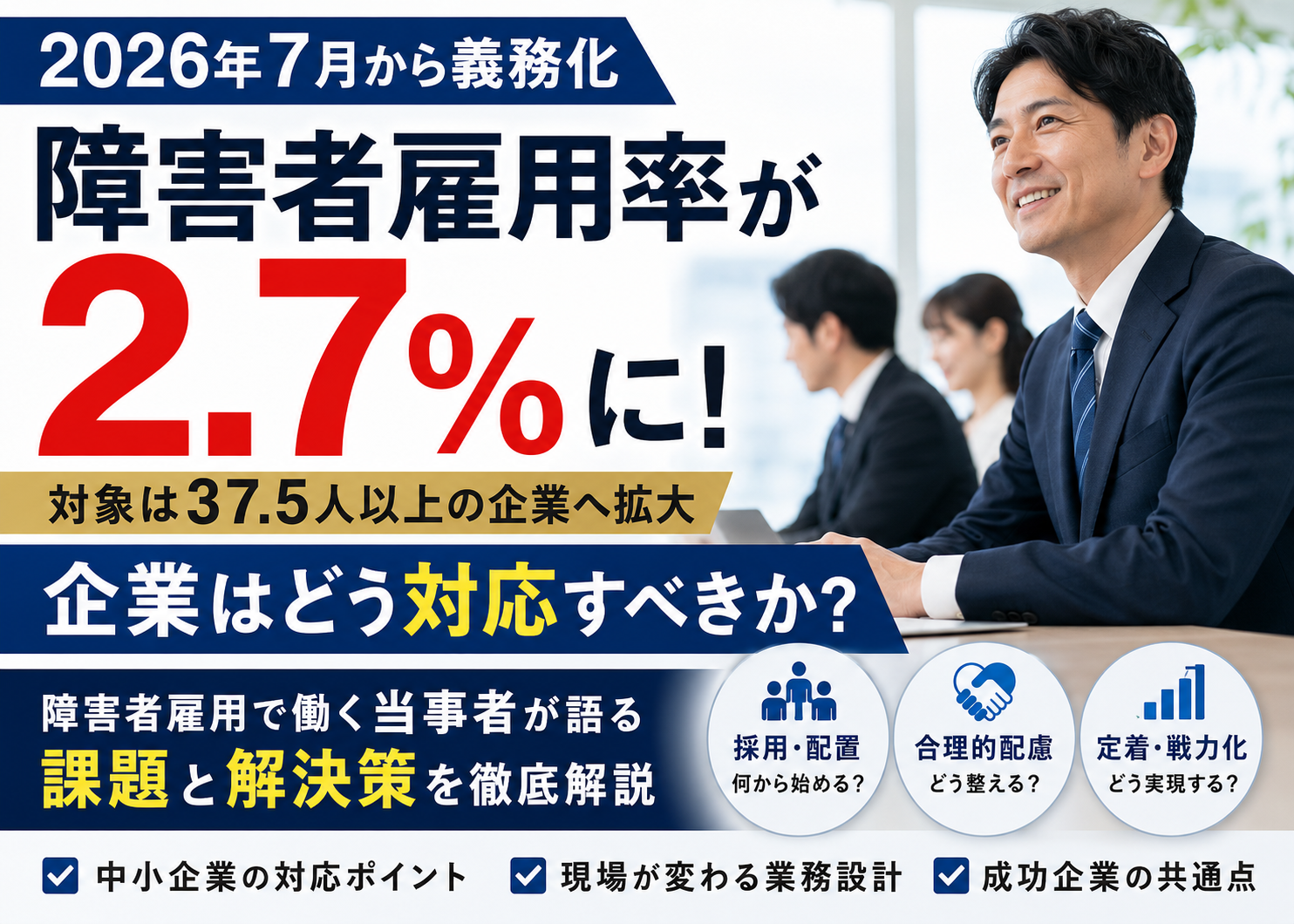
障害者雇用で「仕事を切り出す」だけでは足りない
――元課長・中途重度障害当事者が考える「人を活かす仕事の再設計」
障害者雇用で「仕事を切り出す」だけでは、本当の人材活用にはつながりません。健常者時代に課長を…












コメントを残す