— A Mid-Career Severely Disabled Blogger Reflects on What It Means to Choose One’s Own Path
Meta Description :
I was invited to run for office. Honored, but I declined. This is a heartfelt essay on why I chose not to become a politician, from the perspective of a disabled thinker.
Table of Contents
- Introduction | A Grateful Invitation
- Chapter 1 | Why They Thought I Should Be a Politician
- Chapter 2 | The Nature of Politics and Its Constraints
- Chapter 3 | The Risk of Losing My Voice Inside the System
- Chapter 4 | Why Writing Is My Lifeline
- Chapter 5 | Voices That Elections Cannot Reach
- Chapter 6 | My Vision Exceeds the Framework of Politics
- Chapter 7 | Choosing My Own Path, Over Being Chosen
- Final Thoughts | To You, Who Are Also Choosing
Introduction | A Grateful Invitation
One day, someone asked me:
“Have you ever considered becoming a politician?”
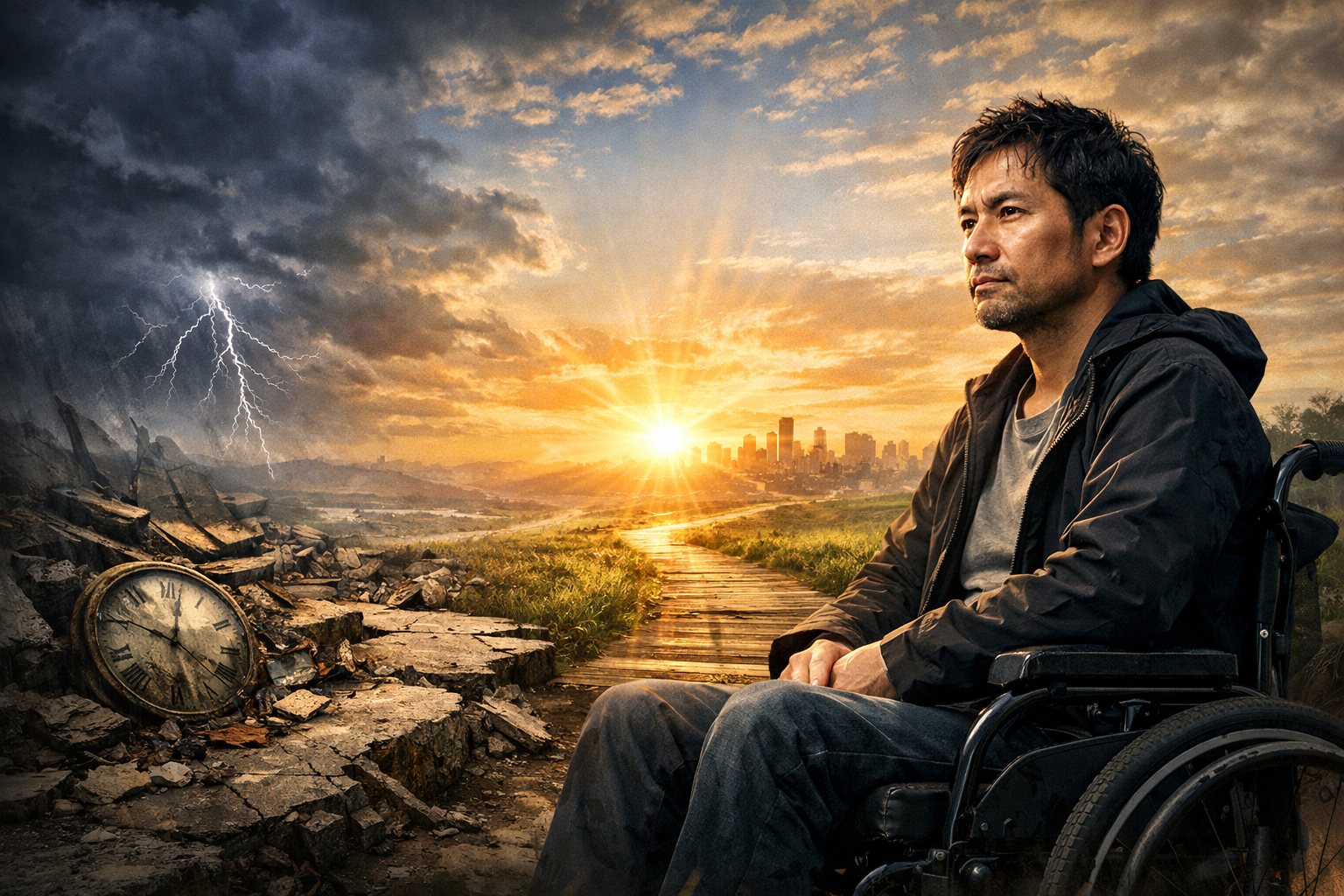
It was an honor, truly. As a person who became severely disabled mid-career, I’ve spent years raising my voice, sharing insights, and engaging with society through writing, talks, and advocacy. Some saw in me the qualities needed for public office.
But I politely, and firmly, declined.
This article is a reflection on why. Not out of fear or modesty—but because of my convictions, my limitations, and my purpose.
Chapter 1 | Why They Thought I Should Be a Politician
People often tell me:
“You know the realities. You can communicate. You’re honest. You have a unique voice. You should run.”
They mean well. And I understand where they’re coming from. I’ve spoken out about social inequality, employment for people with disabilities, and the limitations of policy systems. I also write with a mix of logic and empathy.
But just because I can do something doesn’t mean I should.
The ability to do something doesn’t equal the desire to do it.
I’m not driven by ambition. I’m driven by honesty, reflection, and the desire to choose my path—every day.
Chapter 2 | The Nature of Politics and Its Constraints
Politics is necessary. It’s honorable. But it’s also deeply limited.
To survive as a politician, you must:
- Win elections
- Please your supporters
- Navigate party policies
- Avoid missteps in the media
- Compromise—often and repeatedly
Even the most noble intentions can be watered down by the process. Passion alone doesn’t pass bills.
I didn’t want to distort my beliefs to fit into that mold.
Chapter 3 | The Risk of Losing My Voice Inside the System
After becoming disabled, I experienced both the support and cruelty of public systems. Sometimes I was helped. Sometimes I was abandoned.
If I were to enter politics, I’d become part of that system.
Of course, I could try to change it from within—but I would also become one of its gatekeepers.
And that, to me, is dangerous.
I want to remain outside the system—so I can keep questioning it.
That’s where my empathy stays intact. That’s where my voice can remain sharp, honest, and human.
Chapter 4 | Why Writing Is My Lifeline
I’m a writer. I process life through words. I connect with others through stories, questions, and quiet truths.
To enter politics would mean to restrict that voice.
- I would be expected to speak only when it’s “appropriate.”
- Every word would be interpreted politically.
- I could no longer speak just as a human being.
But my words are what allow me to heal, to support, to provoke, and to serve.
Freedom of expression is not optional for me. It’s essential.
Chapter 5 | Voices That Elections Cannot Reach
Elections are about numbers. About visibility. About convincing the masses.
But I care most about the people who are:
- Too tired to vote
- Too invisible to be noticed
- Too hurt to raise their hand
These are the “silent voices” that politicians often miss. But writers don’t.
I want to keep reaching those who are forgotten.
And that means staying away from platforms where only the loudest are heard.
Chapter 6 | My Vision Exceeds the Framework of Politics
I want to make a difference. Of course I do.
But not only through laws and policies.
I want to change how people feel, how they see, and how they listen. I want to offer new language to those who have none. I want to give form to emotions society neglects.
Politics is important—but so is meaning.
My mission is emotional literacy, social honesty, and shared reflection.
Chapter 7 | Choosing My Own Path, Over Being Chosen
Politics is about being chosen. About gaining approval, popularity, and support.
But I’ve never lived for that.
I want to choose, not be chosen.
To choose my truth over power.
To choose uncertainty over safety.
To choose impact over recognition.
I’m not here to be elected. I’m here to connect.
Final Thoughts | To You, Who Are Also Choosing
If you’re also wrestling with decisions—about your path, your role, your way of contributing—I offer you this:
There is no “right” choice. Only honest ones.
You don’t have to enter the system to make a difference. You don’t have to become someone else to be valuable. Sometimes, your presence outside the structure is what keeps it accountable.
I chose not to be a politician.
Instead, I chose to be myself—every single day.
And I believe, deeply, that it matters.


















コメントを残す