Meta Description :
Civilization advances through accumulation. From the seeming exception of Sumer to life as a person with a severe disability, we explore what progress truly means.
Table of Contents
- Introduction | Civilization Is Not Built in a Day
- Chapter 1 | What Is Civilization?
- Chapter 2 | Why Sumer Feels Like an Exception
- Chapter 3 | Invisible Foundations: What Came Before Sumer
- Chapter 4 | The Three Pillars of Civilizational Progress
- Chapter 5 | My Reality as a Severely Disabled Person
- Chapter 6 | A Modern World That’s Forgetting How to Build
- Chapter 7 | Your Life and Civilization Are One and the Same
- Conclusion | Every Step You Take Supports the Future
Introduction | Civilization Is Not Built in a Day
When I first encountered the Sumerian civilization through a historical documentary, I was struck by its sudden sophistication:
written language, city-states, astronomical calendars, laws, and temple economies.
It seemed as if it had emerged fully formed—out of nowhere.
But as someone who has had to rebuild life from the ground up after becoming severely disabled in midlife, I couldn’t believe that.
Just as with my own life, there must have been a silent, invisible process of layering and building that preceded this miracle.
This blog explores a single but profound idea:
Civilization progresses only through accumulation.
Chapter 1 | What Is Civilization?
Civilization is more than culture or convenience.
To be called a civilization, a society must meet three essential conditions:
- Recorded and transferable knowledge (e.g., written language)
- Organized systems of governance (e.g., laws, administration, religion)
- Shared spiritual and ethical values (e.g., myths, worldviews)
Without the ability to accumulate and transmit these elements, no civilization can survive—let alone evolve.
Chapter 2 | Why Sumer Feels Like an Exception
The Sumerians of Mesopotamia (circa 3000 BCE) astonished historians by producing:
- Cuneiform writing
- Advanced irrigation and agriculture
- Temple-based economics
- City-states like Ur and Uruk
- A sophisticated number system based on 60
Because of this, Sumer often seems like an “outlier” or “sudden miracle.”
But is it really?
Chapter 3 | Invisible Foundations: What Came Before Sumer
Before Sumer, there was the Ubaid culture (circa 5300–4000 BCE), which:
- Created pottery
- Built early irrigation systems
- Formed village communities
- Traded goods across regions
The Ubaid people laid the groundwork, brick by brick, for what would become the visible brilliance of Sumer.
Their contribution was simply unwritten, and therefore easily forgotten.
This mirrors the lives of many people—including my own.
Our most meaningful work is often invisible until it blooms.
Chapter 4 | The Three Pillars of Civilizational Progress
1. Knowledge Accumulation through Writing
Sumer’s invention of writing transformed memory into record.
It allowed knowledge to be passed down, independent of any one person’s memory.
2. Institutional Organization
Governments, priesthoods, and systems of taxation formed a structure that didn’t rely on individual charisma or power, but on rules.
3. Cultural and Ethical Continuity
Shared myths, beliefs, and values gave people a reason to cooperate, sacrifice, and build long-term.
Civilization is not just about “doing”—it’s about believing in something together.
Chapter 5 | My Reality as a Severely Disabled Person
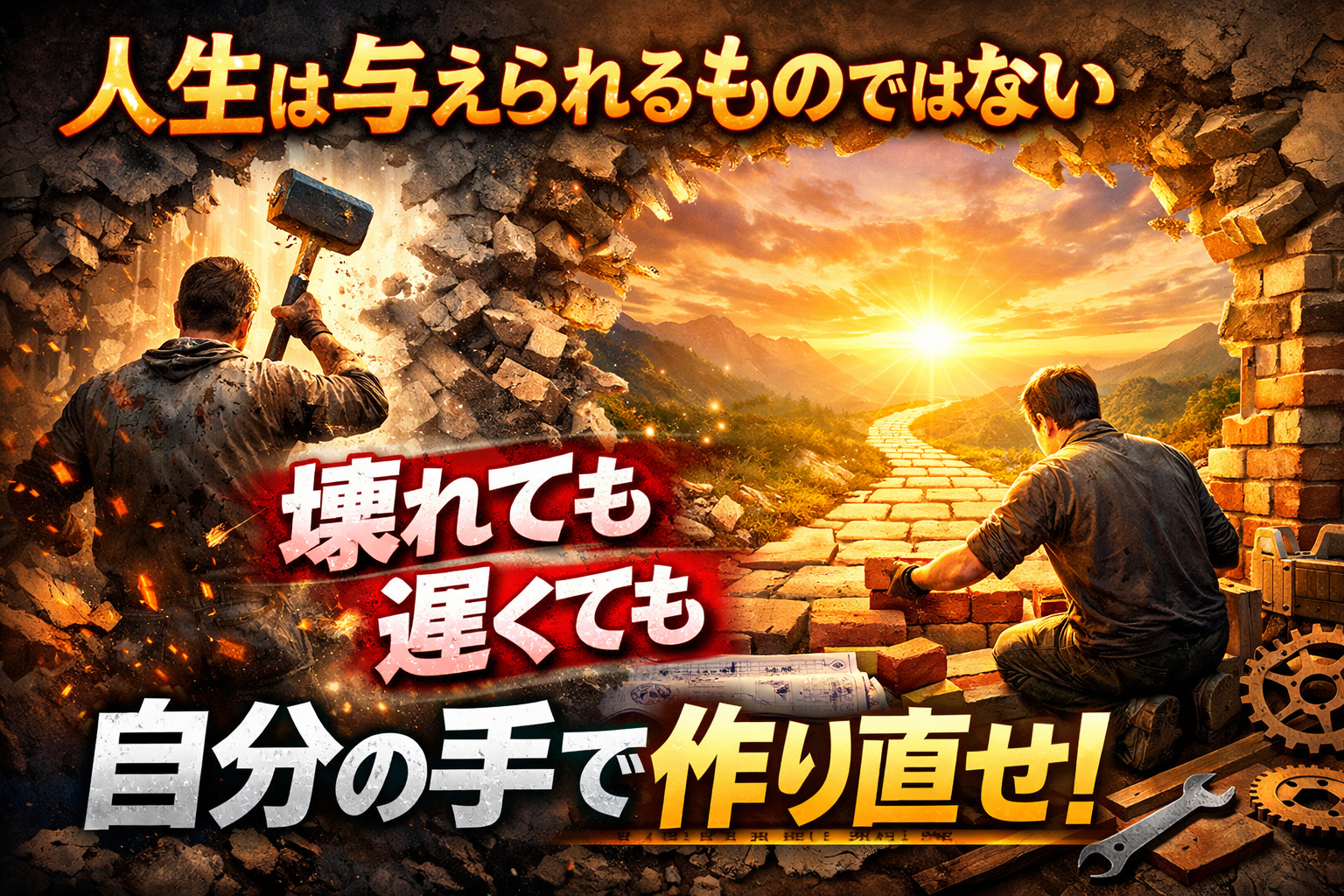
After I became severely disabled in midlife, my life didn’t restart—it had to be rebuilt.
Every word I write, every thought I express, every small task I complete…
They are all part of my own civilization—a personal system of meaning and survival.
Like ancient cities rising from unseen layers, I live by stacking efforts, day by day, often with no immediate result.
But eventually, something takes shape.
Chapter 6 | A Modern World That’s Forgetting How to Build
In our modern digital age, we favor:
- Instant results
- Disruptive innovation
- Shiny new apps
- Fast social media virality
But we risk forgetting the slow, silent labor of accumulation.
Education systems, medical care, public infrastructure—these are not flashy.
They’re the Sumerian bricks of our world.
We must not take them for granted.
Chapter 7 | Your Life and Civilization Are One and the Same
Even if we don’t build monuments or invent writing systems, we all:
- Learn
- Connect
- Solve problems
- Inspire others
- Share meaning
In doing so, we layer our own civilizations, leaving traces for those who come next.
You are part of civilization—whether or not you realize it.
Conclusion | Every Step You Take Supports the Future
Civilization doesn’t just appear.
It is layered slowly, painstakingly, by people who believe in a tomorrow they may never see.
Sumer wasn’t a miracle. It was the visible tip of an ancient iceberg.
And you?
Every act of kindness, learning, perseverance you choose today adds another stone to that long, human story.
So what will you build tomorrow?




















コメントを残す