— From an F-Rank University Graduate with a Severe Acquired Disability in the Employment Ice Age Generation to Joining a Major Infrastructure Company —
SEO Meta Description (within 155 characters)
A real story of overcoming triple adversity—F-rank university, disability, and the employment ice age—through reverse-engineered design thinking. Logical and replicable career strategy.
Target SEO Keywords (naturally embedded)
- Reverse-engineered design thinking
- Career strategy replicability
- Job hunting with a disability
- F-rank university employment
- Employment ice age career path
- Workflow standardization
- Disability employment value
- Reproducible work methodology
- Long-term career planning
- Career building for social minorities
Introduction | Life Can Be Designed Even with Triple Adversity
“Graduated from an F-rank university,” “acquired a severe disability mid-career,” and “part of the employment ice age generation”—each of these alone can pose serious career challenges. I carried all three, yet I ultimately secured a job at a major infrastructure company.
This article shares how I strategically built my career using what I call “reverse-engineered design thinking.” It’s written for those who feel stuck or defeated by their circumstances.
Chapter 1 | The Triple Burden: Education, Era, and Disability
The Reality of an F-Rank University Degree
In Japan’s academic hierarchy, your university name often directly impacts job opportunities. As a graduate of a so-called “F-rank” university, my job applications went ignored. Some companies wouldn’t even allow me into their briefings.
The Wall of the Employment Ice Age
I entered the workforce during Japan’s notorious employment ice age. Major companies had slashed new graduate hiring, and the label “non-regular or post-graduate job seeker” came with stigma.
Becoming Disabled Mid-Career
Just as I was beginning to feel settled in my job, I suffered a severe disability due to illness and accident. I had to start over—with a changed body and diminished social status.
Chapter 2 | Hope Lies Not in a Lucky Break, But in Reverse-Engineered Design Thinking
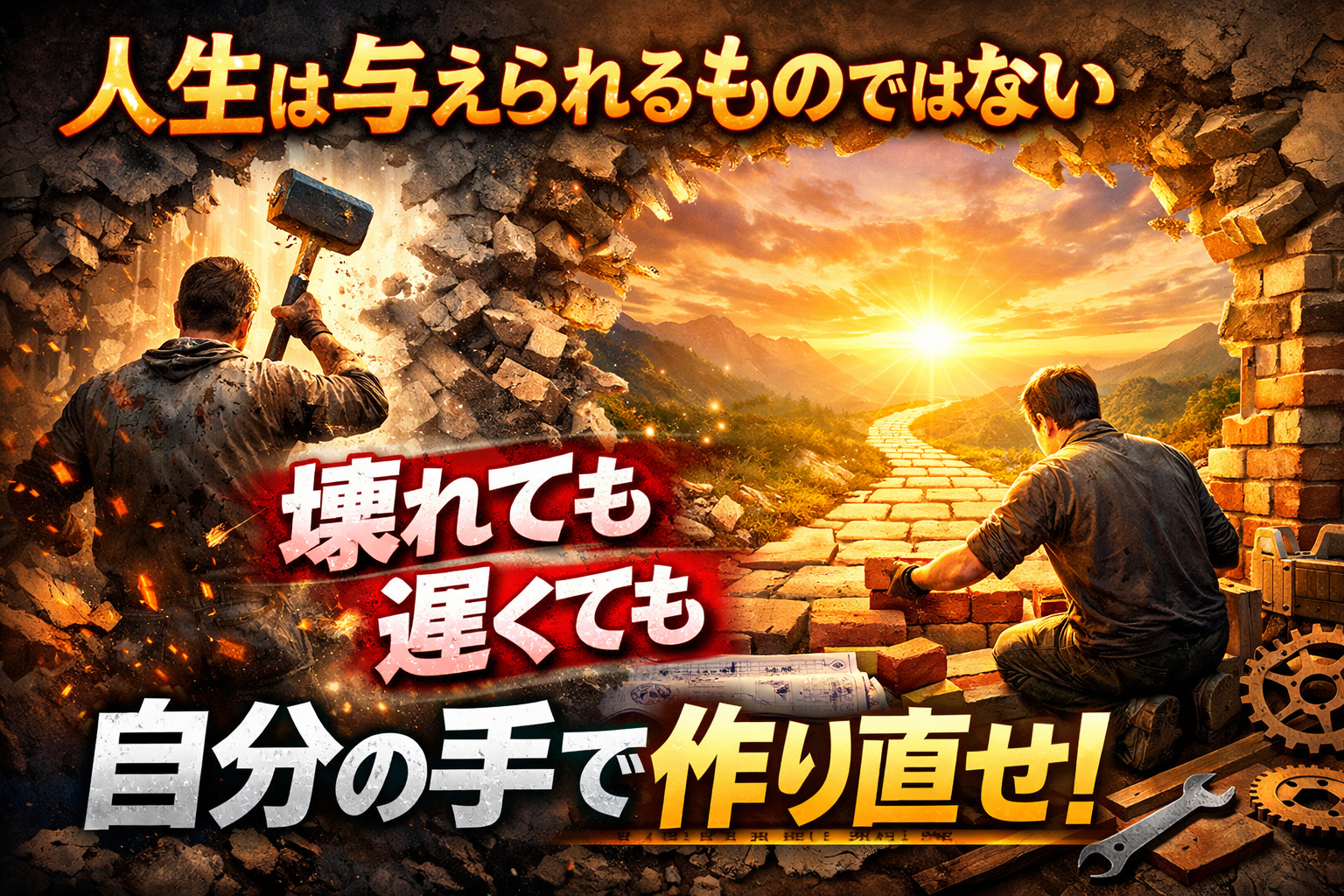
It’s not about “becoming someone,” but about “structuring your path.” Reverse-engineered design thinking means visualizing your ideal future and working backwards.
- Visualize a future where I can work stably despite my disability.
- Deconstruct what skills, knowledge, and attitudes are required.
- Chart the shortest path from where I am now.
This method helped me rebuild my career with clarity.
Chapter 3 | Why I Set My Sights on the Infrastructure Industry
I targeted infrastructure companies for several reasons:
- Stability unaffected by economic swings
- Well-established disability hiring systems
- Emphasis on workflows and standardization over individual heroics
These environments value intellectual productivity and process adaptation over physical capability.
Chapter 4 | Building the Foundation of “Design Capability” at a Mitsubishi-Affiliated IT Firm
Even with a disadvantaged background, if you become someone who can “design systems,” you are valuable. At the Mitsubishi-affiliated IT firm, I focused on developing:
- Business visualization and requirement definition
- Documentation (manuals, procedures)
- Cross-functional coordination and process design
This is when I first started being recognized for my ability to organize complex work environments.
Chapter 5 | Enhancing Reproducibility and Process Improvement at a Panasonic-Affiliated Company
Next, I moved to a Panasonic-affiliated firm where standardizing inconsistent work was key. I refined:
- Workflow automation using Excel and VBA
- Project management support (WBS and progress tracking)
- Structuring improvement proposals and logical reporting
This experience shifted my mindset to creating systems anyone can operate.
Chapter 6 | Disability Makes “Reproducibility” a Strength
Because I rely on remote work and frequent hospital visits, I had to ensure my responsibilities could be seamlessly transferred or automated:
- Thorough documentation that enabled remote handovers
- Macro-automated routine tasks
- Process design that simplified transitions
These practices created organizational assets that proved valuable to any company.
Chapter 7 | Finally, Joining a Major Infrastructure Firm: The 3 Assets They Valued
Eventually, I was hired by a major infrastructure company—not just as a token disabled employee, but as a strategic asset. What they valued:
- Contributions to process thinking and standardization
- Adaptability across different corporate cultures
- Turning physical limitations into reproducible design strengths
Chapter 8 | There May Be No “Right” Path, But There Can Be a Designed One
Even if you’re from an F-rank university, have a disability, or are part of the employment ice age—don’t chase a miracle. Design your path backwards.
- Articulate your ideal working life
- Reverse-engineer the required experience and skills
- Accumulate small wins that create replicable value
Each of these steps makes you a more “selectable” candidate.
Conclusion | A Career Is Not a Miracle—It’s a Designed, Replicable Structure
To those from the employment ice age, to those with no prestigious education, to those living with disabilities:
A career isn’t about luck. It’s a system you can design.
Wherever your starting point, if you adopt reverse-engineered thinking, your future becomes structure—not chaos.
I hope my journey can offer guidance and encouragement to those building their own path.



















コメントを残す