Meta Description (SEO-friendly, 120–160 characters)
The story of Shunkan isn’t just a tragic classic—it’s a deeply human tale of isolation and forgiveness that speaks to the heart of today’s readers.
Introduction: Why Shunkan Still Matters Today
Have you ever felt like you were the only one left behind?
Maybe in your job, your relationships, or your health—you gave it your all, and yet you were the one not chosen. The one excluded.
I’ve lived through that myself.
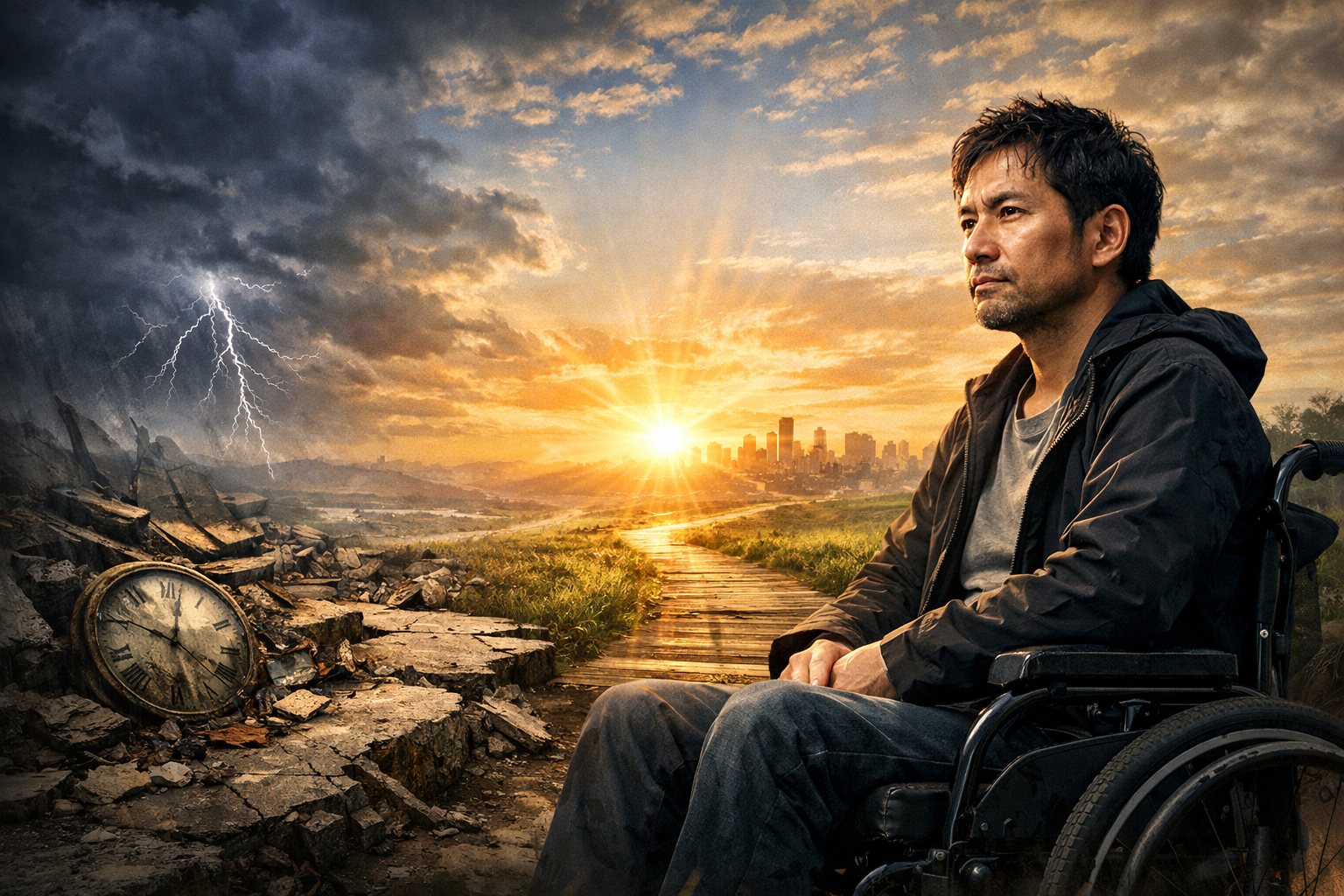
Ten years ago, I became severely disabled after a sudden cerebral hemorrhage. It took years of recovery before I could re-enter society.
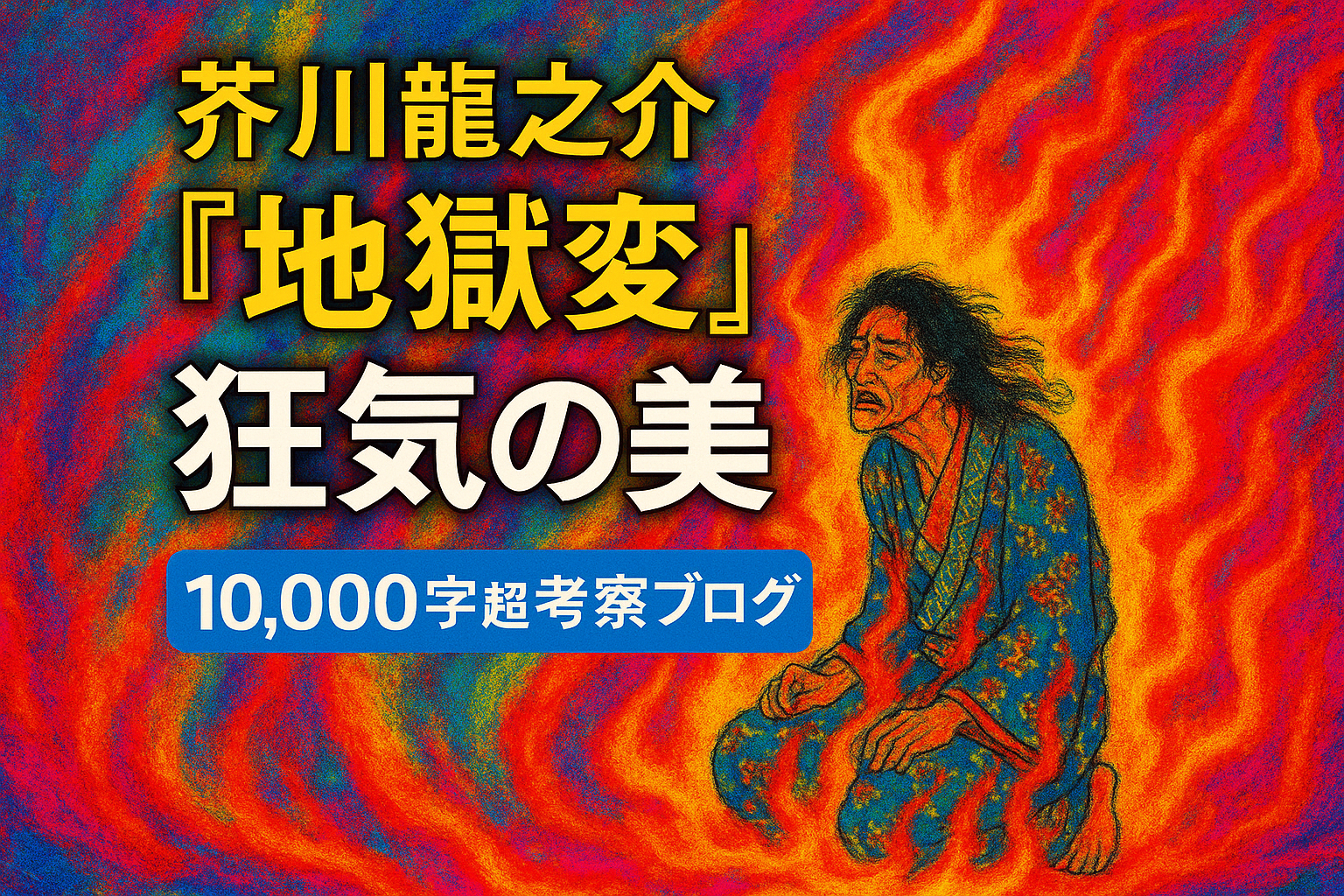
During that journey, I encountered a classical story that unexpectedly touched my soul: the tale of Shunkan, a monk exiled to a remote island who, unlike his peers, was never pardoned and never allowed to return home.
What could a medieval tale possibly teach us today?
As someone living with a disability, I found Shunkan’s story profoundly relevant—because it’s not just about exile or politics. It’s about being human in a world that sometimes forgets us. It’s about you, me, and the hidden strength it takes to live through quiet despair.
1. Who Was Shunkan? A Symbol of Loneliness Beyond Time
Shunkan was a real monk who took part in a political conspiracy during the late Heian period in Japan.
As punishment, he and two others were exiled to Kikaigashima (a remote volcanic island). Eventually, the other two were pardoned—but Shunkan was left behind.
His fate is dramatized in various works, including The Tale of the Heike, Noh theater, and Kabuki. In these versions, the focus is on his unbearable grief and final solitude.
But why was he the only one not forgiven?
Some historical sources suggest that Shunkan openly voiced his distrust of both imperial and military authorities—something that made him a threat even in exile.
That emotional honesty—his inability to hide his bitterness—makes him painfully relatable in today’s world.
In an age of social media, where even a single post can isolate or “cancel” someone, Shunkan speaks to the cost of saying what you really feel.
2. The Pain of Being Left Behind
Shunkan’s tragedy isn’t only about being stuck on an island. It’s the raw, unspoken feeling of why me?
In my own life as a person with a disability, I’ve often felt this.
Everyone else seems to move forward—get hired, get promoted, get praised. And even though I worked just as hard, sometimes harder, I’m left waiting. Watching. Wondering if I did something wrong.
That emotional reality mirrors the pain Shunkan must have felt as he watched the pardon boat leave without him.
In today’s world, especially for people facing illness, disability, or systemic exclusion, that feeling is all too common.
3. The Struggle to Forgive—and Be Forgiven
Shunkan wasn’t just not forgiven by society. He also couldn’t forgive the society that left him behind.
This is where the story gets deeper.
His inability to let go of anger—to forgive those who betrayed or abandoned him—trapped him as much as the island did.
And isn’t that familiar?
Not being able to forgive someone who hurt you.
Holding onto bitterness because it feels like justice.
Feeling ashamed that you still can’t move on.
As someone who’s had to process medical trauma, stigma, and isolation, I understand that deeply.
Forgiveness isn’t about pretending things didn’t happen.
It’s about deciding whether you want to keep carrying the weight.
Shunkan shows us how hard—yet essential—that choice can be.
4. Everyone Has Their Own “Island”
Kikaigashima, the island Shunkan was banished to, isn’t just a place. It’s a symbol.
We all have our own private “islands”:
The trauma no one else understands.
The grief we don’t talk about.
The fear of being forgotten.
I lived on my own version of that island for years after becoming disabled.
Not physically, but emotionally—cut off from the world I used to belong to.
But I also learned something valuable on that island:
Stillness gives us space to meet ourselves again.
In solitude, we can rebuild.
In loneliness, we can find depth.
Even when we feel abandoned, we are still here—still living, still learning.
5. The Silence of His Final Days: A Message Beyond Words
The story never tells us exactly how Shunkan died.
His end is left silent—ambiguous, unresolved.
But perhaps that silence is the message.
Maybe he never found peace. Or maybe, in the end, he let go of his bitterness and accepted his fate quietly.
Not every story has a triumphant ending.
Sometimes, dignity lies in simply living with what we’ve been given.
For me, as someone who walks each day with physical limitations, this silence is powerful.
It reminds me that even the unseen, the uncelebrated, the unspeakable parts of our lives…
still have meaning.
6. Final Thoughts: Shunkan’s Story Is Ours
Shunkan is more than a historical figure.
He represents something deeply human: the longing to be understood, the struggle to forgive, and the hope to still matter even when no one is watching.
If you’ve ever felt invisible, excluded, or broken—his story is yours too.
And just like Shunkan, your life still has value, even if no one else says so.
Even if your name is missing from the list.
Even if you’re still waiting for your “pardon.”
You are still the main character of your story.
Don’t give up on it.
Even in silence, your life speaks.
Even on your island, you are not alone.
W
















コメントを残す