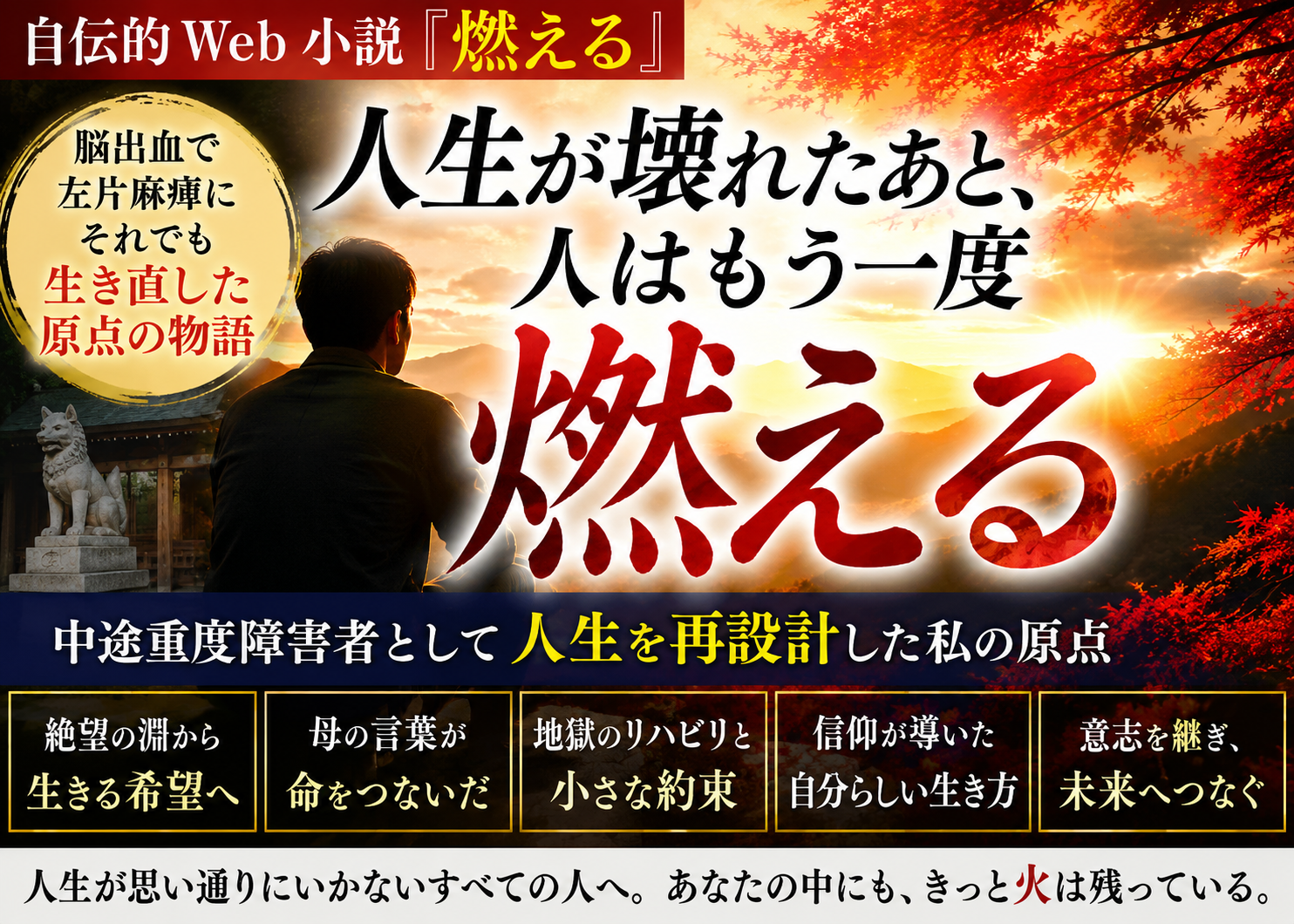
Hello, I am a blogger who started this journey after becoming severely disabled. In this blog, I aim to explore the relationship between “empathy” and “recognition” and share how these concepts can be strategically used in blogging. I’ll also offer perspectives from both people with disabilities and those without.
Moments When Empathy and Recognition Come to Life
Have you ever read an article and thought, “This feels like it’s about me”?
That moment of connection is empathy. Recognition begins when you feel the desire to learn more about the writer, the topic, or the story they’re telling.
When I started blogging, I wanted to tell people in similar situations, “You’re not alone.” But at first, it was hard to reach a wider audience, and I often doubted whether my words were making any impact at all.
How I Create Empathy
I realized that being specific and honest about my experiences is key to creating empathy.
For example, one of my articles was titled:
“The Fear of Stairs After Becoming Disabled”
In it, I described my early days living with hemiplegia. I wrote about clinging desperately to handrails, struggling to climb one step at a time, and the mix of fear, frustration, and hope I felt.
This post received many responses:
From people with disabilities: “I’ve been through this too.”
From people without disabilities: “Thank you for helping me see a perspective I hadn’t considered before.”
This is the power of empathy. When someone connects with your words, they comment, share, and spread your story. In turn, this increases recognition.
Messages for Readers Without Disabilities
For readers without disabilities, I try to shed light on the everyday realities of living with a disability. However, I’m careful not to frame these stories in a way that invites pity. My goal is not sympathy but understanding and cooperation.
I often use relatable analogies, such as:
“Imagine being on a crowded commuter train, unable to move at your own pace. It’s stressful, right? For someone with a disability, that kind of challenge can be a daily reality.”
By presenting examples like this, I encourage readers to think, “What would I feel in this situation?”
Messages for Fellow People with Disabilities
When writing for people with disabilities, I focus on sharing relatable experiences and practical advice. Empathy often emerges naturally through shared challenges and solutions.
Some of my most popular posts include:
Challenges and tips for using public transportation
Reviews of assistive gadgets that make daily life easier
Personal strategies for coping with mental and emotional lows
For example, in one post, I introduced “kitchen tools that are easy to use with one hand.” Readers responded enthusiastically, saying things like, “I’d love to try this!” These shared experiences and solutions help build a strong sense of community.
The Power of Stories to Bridge Empathy and Recognition
One of the most effective ways to connect empathy and recognition is through storytelling. I often share personal narratives structured as:
The moment I realized I had a disability
Lying in a hospital bed, overwhelmed by thoughts of “Why me?”
My journey to regaining a sense of normalcy
The first time I stood on my own during rehab and felt a spark of hope.
How blogging gave me new purpose
The joy of receiving messages like, “Your article inspired me to keep going.”
By presenting my story as a journey of challenge, resilience, and growth, I draw readers in and help them find meaning in my experiences.
Building a Blog That Grows with Its Readers
To create a blog that resonates with readers, I prioritize dialogue. I actively engage with comments and feedback on my posts and social media, ensuring that my content reflects the voices of my audience.
In doing so, my blog becomes more than a platform for sharing—it transforms into a space for mutual growth and understanding.
Conclusion
Empathy and recognition are essential components of successful blogging. As a blogger with disabilities, I strive to write articles that not only resonate with readers but also amplify understanding and awareness.
If you come across an article that touches your heart, I encourage you to share it. That small action can help spread awareness and inspire change in ways you may not even realize.
Thank you for reading to the end!



















コメントを残す