In today’s society, we often belong to organizations to maintain stability in our lives and work. Whether it’s a company, a local community, a volunteer group, or an online network, organizations play a crucial role in our daily lives. However, as someone living with a severe disability acquired mid-career, I’ve come to deeply appreciate the “ease” that comes with relying on an organization, while also realizing the importance of not trusting it too much.
This article explores both aspects based on my personal experiences.
The Ease of Belonging to an Organization
First, let’s discuss how belonging to an organization provides a significant sense of security.
When someone acquires a severe disability, their sense of identity can often feel shaken. Questions like, “Can I still work?” or “Am I just going to be a burden to others?” are hard to avoid. In such times, being part of an organization can remind you that you have a purpose and role. A job title, a position, and a clear goal—all of these help reinforce a sense of belonging. For anyone who has experienced this, the reassurance is palpable.
Organizations also provide a framework that can make life easier. For example, having set work hours, specific instructions, and established rules reduces the need for constant decision-making. This structure can be particularly helpful for people like me, who must carefully manage limited physical and mental energy due to a disability.
The Strength of Not Trusting Organizations Too Much
At the same time, my experiences have taught me that it’s crucial not to trust organizations too much.
Organizations are not permanent. Management decisions, financial circumstances, and even interpersonal dynamics can drastically alter your environment. I’ve personally experienced how quickly a stable workplace can change due to restructuring or downsizing. This taught me that while organizations can provide stability, they shouldn’t be relied on unconditionally.
Another risk of overtrusting organizations is the potential loss of personal values. When you align yourself too closely with the culture or rules of an organization, it’s easy to lose sight of what truly matters to you. Have you ever found yourself so caught up in organizational expectations that you forget what you genuinely want to do?
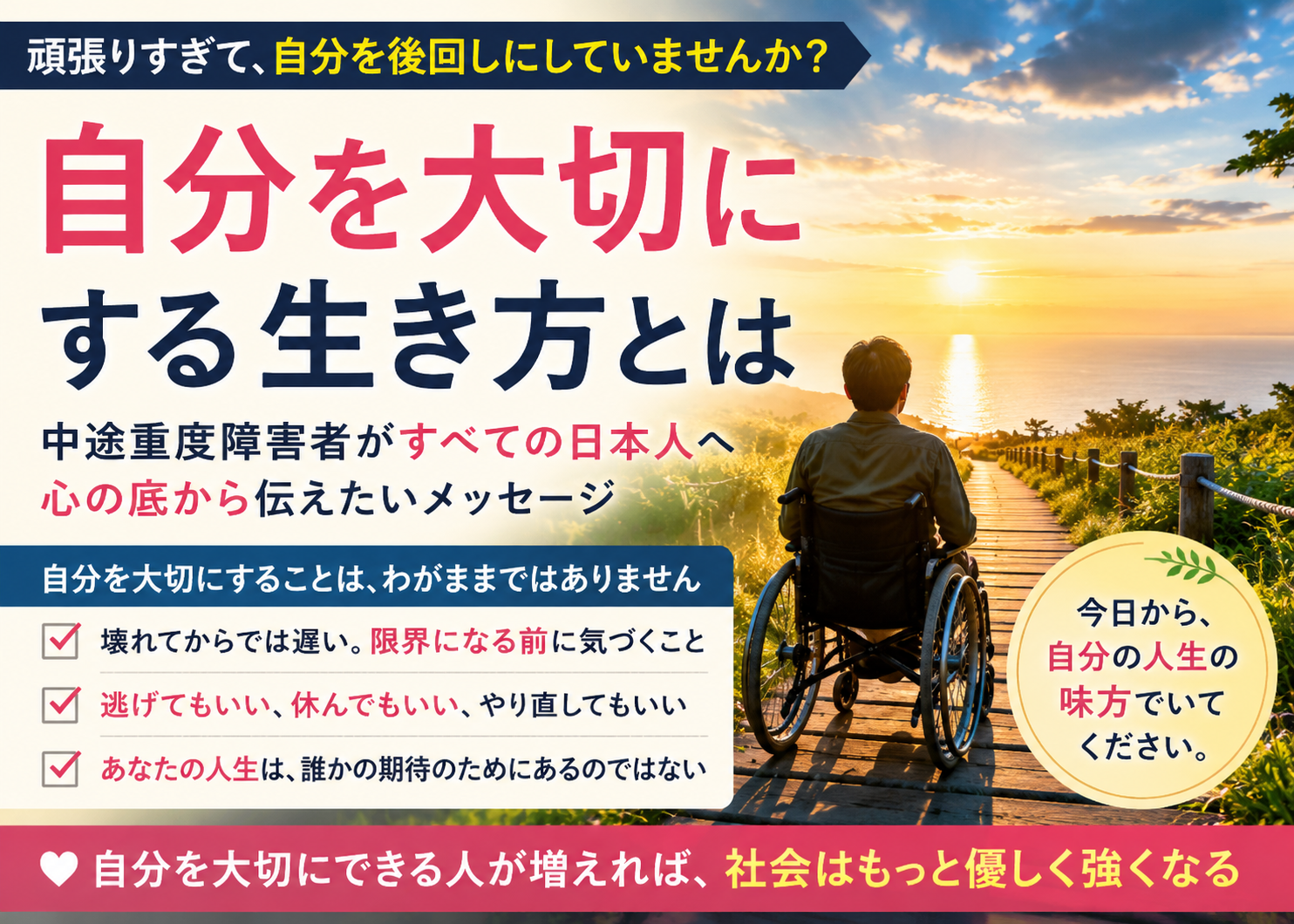
These realizations have led me to value the strength of maintaining independence. For example, I’ve learned to build connections outside of my organization, to remain clear about my personal goals, and to diversify my income streams. These are hard-won lessons from navigating the challenges of life with a disability.
How to Strike a Balance with Organizations
The key is not to view organizations as something to either completely trust or entirely reject. Instead, consider them as a tool that can help you live your life more effectively. Here are a few points that might help:
Explore Independence Beyond the Organization
While belonging to an organization, invest time in developing skills or knowledge that can help you stand on your own. Pursuing hobbies, freelancing, or other forms of work can give you additional security and confidence.
Build Relationships Outside the Organization
Join online or offline communities that aren’t tied to your workplace. These connections can provide you with fresh perspectives and broaden your horizons.
Hold on to Your Personal Values
Always revisit what truly matters to you. Reflect on questions like, “What do I want to achieve?” or “What is most important to me?” This helps prevent you from being swept away by organizational priorities.
Be Open to Change
If you feel that an organization is no longer serving your needs or aligning with your goals, don’t be afraid to seek a new environment. Flexibility is key to staying resilient.
Living Authentically Beyond Organizations
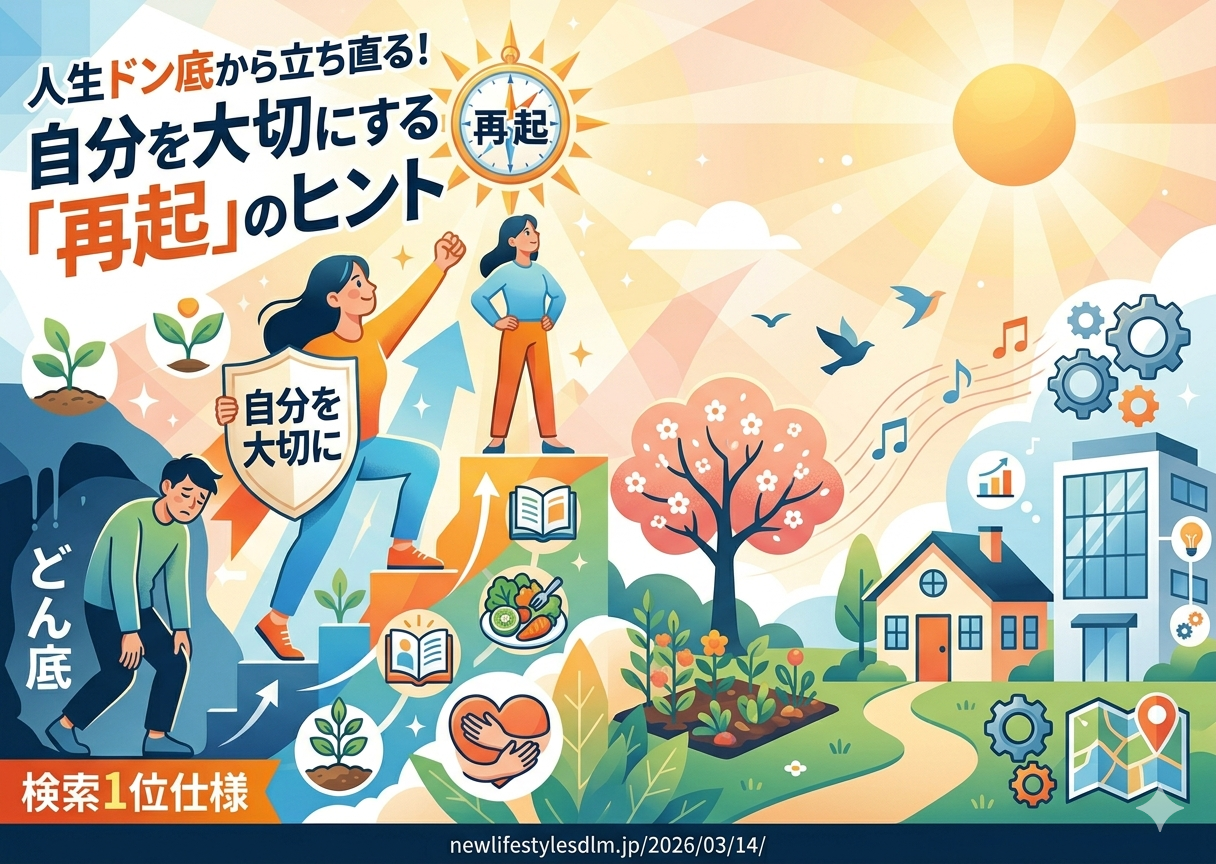
Organizations offer numerous benefits, but over-reliance can come at a cost. By embracing the “ease” they provide while cultivating the “strength” to not trust them completely, you can create a life that’s more authentic and fulfilling.
As someone who has faced countless challenges as a mid-career person with a severe disability, I hope this message resonates with those who may be navigating similar situations. We all have the power to carve out a future for ourselves, regardless of our circumstances. Let’s take small steps forward, together.
If this article resonates with you, I’d be deeply grateful if you could share it or leave a comment. Together, we can inspire more people to find their strength and live authentically, both within and beyond organizations.















コメントを残す