SEO Meta Description (under 155 characters)
Why is Japanese manufacturing in decline? From shareholder-first decisions to short-term thinking and dehumanizing workers—this blog explores why workers must have the courage to walk away.
Main SEO Keywords (naturally included)
- companies that treat people as costs
- shareholder-first management
- short-term profit obsession
- reasons for the decline of Japanese manufacturing
- the courage to walk away from toxic workplaces
- structural problems in Japanese companies
- failure in human capital management
- trust breakdown in manufacturing
- long-term vision in business
Table of Contents
- Introduction | The Era of “Loyalty Pays Off” Is Over
- Chapter 1 | Companies That See Workers as Costs Are Sick from Within
- Chapter 2 | How Shareholder-First Thinking Is Devouring Japanese Firms
- Chapter 3 | The Self-Destruction Triggered by Short-Termism
- Chapter 4 | What Happens When Companies Stop Trusting Their People
- Chapter 5 | Rebuilding Japanese Manufacturing Means Investing in People
- Chapter 6 | Why Workers Must Have the Courage to Walk Away
- Conclusion | Only By Leaving Can We Change the Corporate Culture
Introduction | The Era of “Loyalty Pays Off” Is Over
Once upon a time, Japanese workers believed that loyalty would be rewarded. That working hard, enduring hardships, and devoting your life to one company would eventually pay off.
That era is gone.
Today, Japanese manufacturing is collapsing from within—not only due to global competition or aging demographics, but because of a much deeper illness:
Companies that treat people as costs, chase only short-term gains, and fear nothing more than upsetting shareholders.
As a mid-career professional who acquired a severe disability and went through five job changes, I’ve seen this disease from the inside. I’ve seen people demoralized, skills dismissed, and human dignity reduced to line items in a spreadsheet.
This blog unpacks why Japanese companies are self-destructing—and why workers must now reclaim their power by knowing when to walk away.
Chapter 1 | Companies That See Workers as Costs Are Sick from Within
The Curse of “Fixed Costs”
When labor costs are only seen as something to be minimized, the workplace becomes a cold, transactional environment. In manufacturing especially, seasoned employees are often the first to be laid off—not because of performance, but because of their pay.
This mindset—that people are replaceable units rather than irreplaceable assets—erodes trust, team spirit, and long-term capability.
No Training. No Recognition. No Future.
Companies claim “people are our greatest asset” while simultaneously cutting education budgets, suppressing wages, and eliminating career paths.
How can anyone take pride in their work when they know they’re treated as disposable?
Chapter 2 | How Shareholder-First Thinking Is Devouring Japanese Firms
Management That Only Looks Upward
Too many executive meetings today revolve around one question:
“Will this upset shareholders?”
Not: “Will this help our customers?”
Not: “Will this support our employees?”
Not even: “Will this build something meaningful?”
Shareholder-first management has replaced true leadership. Internal presentations now matter more than customer needs or product quality.
Rising Stock Prices ≠ Thriving Company
You can boost your stock price through cost-cutting. But if your employees are burned out, your products are uninspired, and your technical capabilities are fading—your company is hollowed out. By the time shareholders notice, it’s too late.
Chapter 3 | The Self-Destruction Triggered by Short-Termism
Quarterly Results as a Drug
Short-term profits have become the addiction of modern business. If a project takes more than one fiscal year to bear fruit, it’s scrapped. If a department can’t prove ROI next month, it’s downsized.
But manufacturing isn’t about quarterly tricks. It’s about craftsmanship, innovation, and intergenerational learning. None of that fits in a quarterly report.
A Culture of Disposable Workers
Seasonal hiring, temp labor, and outsourcing have become the norm. It’s all about “flexibility”—but in reality, it means nobody is invested in anyone.
Workplace knowledge doesn’t accumulate. Mistakes repeat. And the pride of making something disappears.
Chapter 4 | What Happens When Companies Stop Trusting Their People
High Turnover Is a Symptom of Distrust
Top talent doesn’t leave for better pay alone. They leave when they no longer feel respected or trusted.
A company with high turnover isn’t just unlucky—it’s a company that’s failed to inspire commitment.
Who Stays Behind?
Often, it’s those who have nowhere else to go—or those who’ve simply given up.
The ones who might challenge toxic culture, innovate, or speak truth to power? They’re already gone.
Chapter 5 | Rebuilding Japanese Manufacturing Means Investing in People
Trust and Training Are the Backbone of Technical Transfer
In manufacturing, skills aren’t passed down through manuals. They’re passed down through relationships and trust.
If workers are constantly replaced, if seniors aren’t respected, and if training is seen as a “cost” rather than an investment, then technical culture dies.
“Human Investment” Is the Real Growth Strategy
You can’t build renewable energy solutions, AI integration, or resilient supply chains without people.
The future of manufacturing isn’t just machines and data—it’s skilled, empowered, and trusted people.
Chapter 6 | Why Workers Must Have the Courage to Walk Away
Breaking Free from the Loyalty Trap
In Japan, quitting a company still carries a stigma. You’re told, “Don’t run away.” That perseverance is noble. That quitting is failure.
But I ask:
Is staying in a place that devalues you really noble?
Walking Away Is a Message
The truth is, companies only reflect when good people leave. Not when they stay and suffer in silence.
Choosing to walk away isn’t weakness. It’s a message:
“I deserve better. We all do.”
Conclusion | Only By Leaving Can We Change the Corporate Culture
As someone who rebuilt a career after acquiring a severe disability, I’ve learned one thing above all:
No company that sees people as costs can survive long-term.
But companies that trust, nurture, and empower people? They can thrive—even in the hardest times.
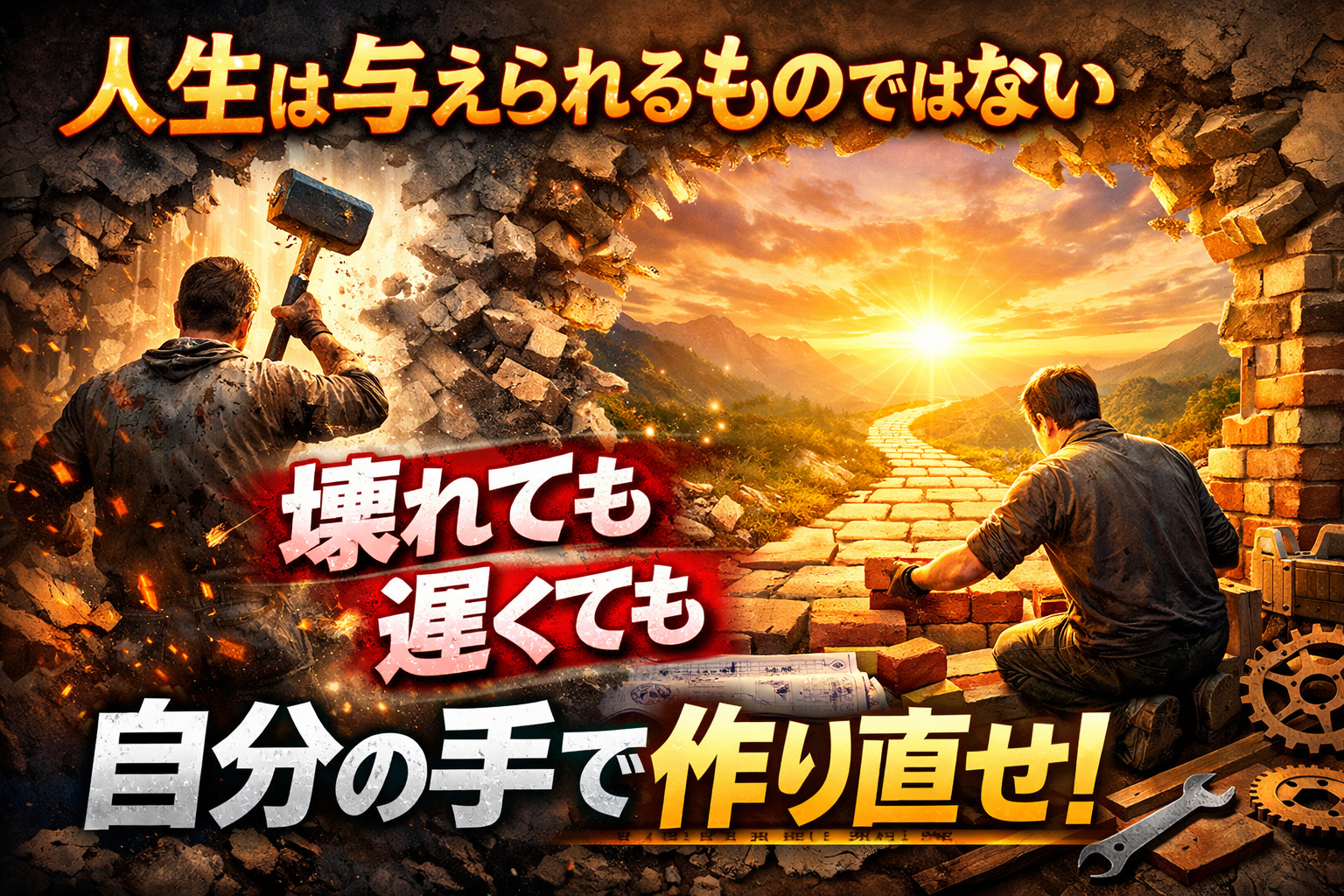
Your life doesn’t belong to any company. It’s yours.
And the most powerful decision you can make is to walk away from those who don’t see your value.
Because sometimes, leaving is the loudest way to lead.
















コメントを残す