Hello everyone. Today, I would like to talk about traditional Japanese beliefs, specifically the relationship between “ancestral worship” and “Shinto.” Let’s explore their commonalities and the underlying Japanese thought that connects them.
Commonalities: Reverence for Nature and Spiritual Beings
Ancestral worship and Shinto both fundamentally involve reverence for nature and spiritual beings. In ancestral worship, it is believed that the spirits of our ancestors watch over us and guide us. During events like Obon and memorial days, we honor our ancestors and express our gratitude for their presence.
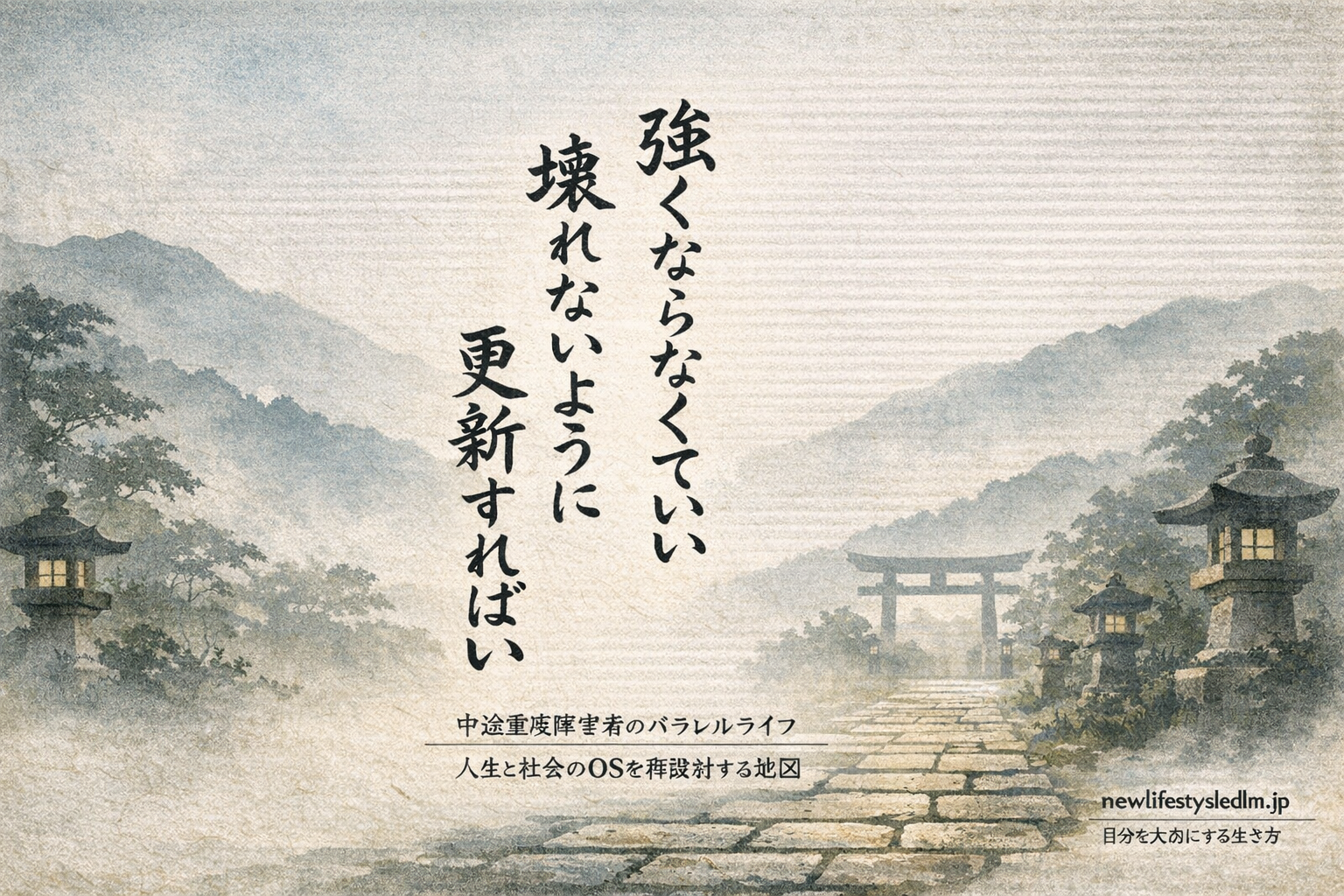
Similarly, Shinto holds that gods (kami) reside in all elements of the natural world. Mountains, rivers, trees, and even the spirits of ancestors are considered divine, and showing daily respect and gratitude to these gods is vital.
Japanese Thought: Harmony and Cycles with Nature
Japanese thought is deeply rooted in the concepts of harmony and cycles with nature. Ancestral worship sees the spirits of ancestors as part of nature, creating a cyclical connection between the living and the dead. This perspective emphasizes the importance of valuing and passing down the wisdom and life received from our ancestors to the next generation.
In Shinto, too, all aspects of nature are seen as inhabited by the spirits of gods, with humans being an integral part of this natural unity. This focus on being one with nature is a common thread between ancestral worship and Shinto.
The Spirit of “Wa”: Harmony and Cooperation
The spirit of “wa,” or harmony, is a core value in Japanese thought. Both ancestral worship and Shinto rituals and ceremonies are occasions where families and communities come together to offer prayers and gratitude. These practices strengthen family and community bonds and maintain harmony.
For instance, during Obon, families gather to welcome the spirits of their ancestors and offer them hospitality. Such events are crucial for deepening the bonds within families and communities and nurturing the spirit of harmony.
Continuity of Time: From the Past to the Future
Japanese thought places great importance on the continuity of time from the past to the present and into the future. In ancestral worship, it is essential to cherish and pass down the life and wisdom inherited from ancestors to the next generation. Similarly, Shinto values the preservation and transmission of traditions and culture to future generations through shrines and festivals.
This respect for the continuity of time is a significant commonality between ancestral worship and Shinto.
Conclusion
Ancestral worship and Shinto are integral belief systems in Japanese spiritual culture, sharing a deep affinity. Their reverence for nature and spiritual beings, the connection strengthened through rituals and ceremonies, the concepts of harmony and natural cycles, the spirit of “wa,” and the respect for time’s continuity all bind these beliefs together.
These elements support the richness of the Japanese spirit and remain important even today. By maintaining gratitude towards our ancestors, nature, and the gods in our daily lives, we can connect with traditional Japanese values and thoughts. This practice enriches our hearts and paves the way for a better future.
I hope this blog post can be of some help in your daily lives and perspectives. Please feel free to share it, and let’s continue to cherish Japan’s traditions and culture together.
● About Me

I’m Jane, the creator and author behind this blog. I’m a minimalist and simple living enthusiast who has dedicated her life to living with less and finding joy in the simple things.














コメントを残す