Many people may feel uneasy when they hear that their local government’s self-sourced revenue ratio is below 30%. This low ratio indicates that the municipality cannot rely on local taxes and other revenues, thus becoming heavily dependent on support from the central government. If this situation persists, the fear of “fiscal bankruptcy” becomes quite tangible.
What is Fiscal Bankruptcy?
Fiscal bankruptcy refers to a state where a local government faces financial difficulties and can no longer carry out normal administrative operations. Specifically, it means being unable to repay debts or provide essential public services. This situation would significantly impact the lives of local residents and is something we must avoid at all costs.
The Impact of a Low Self-Sourced Revenue Ratio
When the self-sourced revenue ratio is low, the local government struggles to manage its finances independently. This limits the funds available for local policies and projects, hindering regional development. Furthermore, with a higher reliance on grants and subsidies from the central government, the risk increases if these funds are reduced.
How to Avoid Fiscal Bankruptcy
To avoid fiscal bankruptcy, several measures need to be taken:
Increase Revenue: Boosting local industries and attracting new businesses can increase tax revenues. For instance, promoting tourism through events or advertising local specialties can enhance the area’s appeal and generate more income.
Review Expenditures: It’s crucial to reduce unnecessary spending and ensure efficient administrative operations. For example, consolidating similar tasks performed by multiple departments can cut personnel and operational costs.
Collaborate with the Central Government: Municipalities facing financial difficulties should seek support from the central government. Special grants for regional revitalization or specific projects can help stabilize finances.
Impact on Local Residents
If fiscal bankruptcy becomes a reality, it will have a significant impact on local residents. The immediate effects include a decline in public services and a stagnation of the local economy. Additionally, rising anxiety and dissatisfaction among residents could lead to social division. Therefore, it’s essential for local governments to take appropriate measures at an early stage.
Conclusion
While municipalities with low self-sourced revenue ratios face the risk of fiscal bankruptcy, proactive measures can mitigate this risk. Each of us must take an interest in the future of our region and work with local governments to address these issues. This collective effort is key to building a sustainable local community.
I hope this article alleviates some of your concerns and encourages you to think positively about the future of your region. There’s always something we can do to help. Let’s join forces to aim for a brighter future.
Please share this article to raise awareness about this issue and encourage those around you to think about it too.

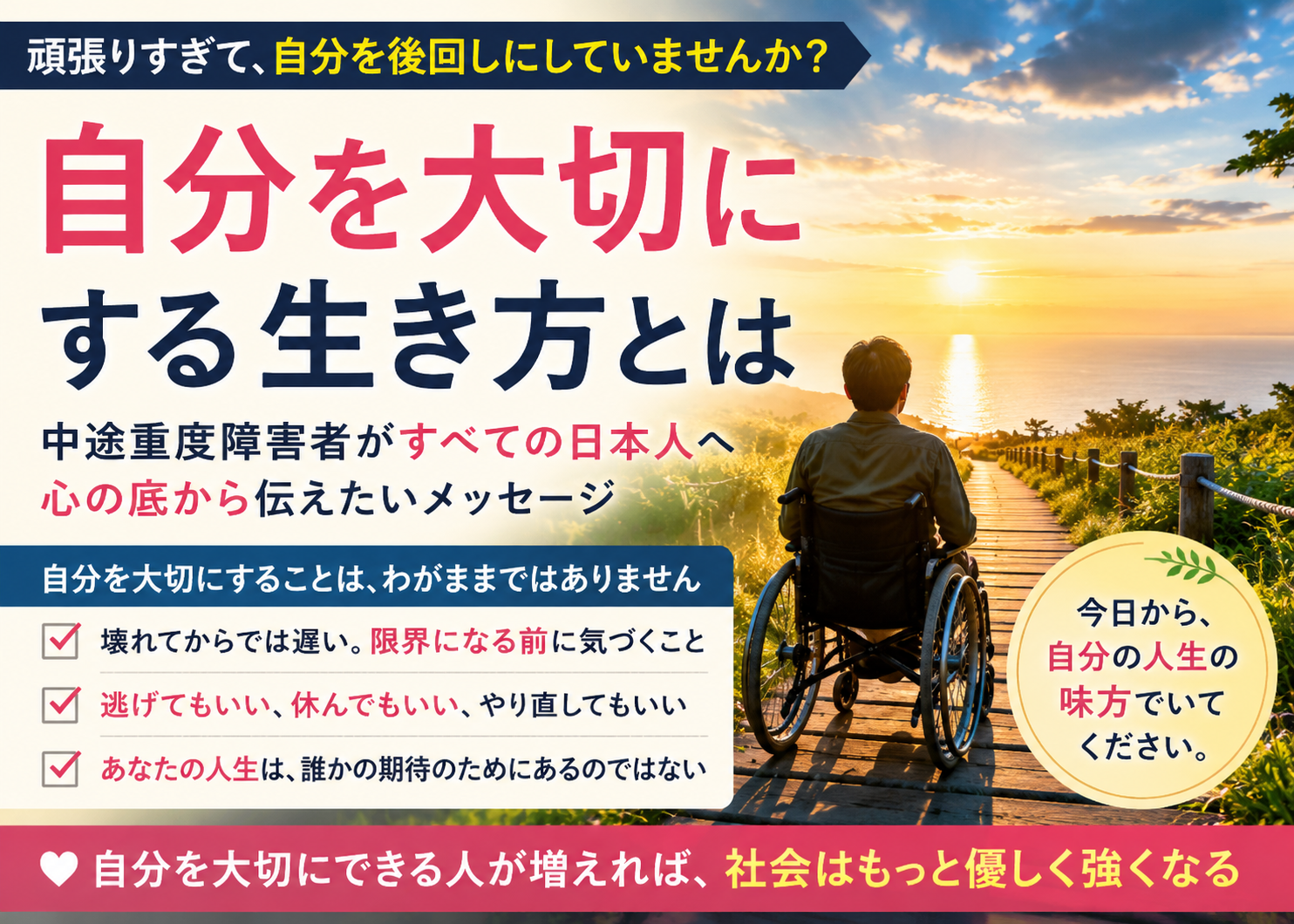
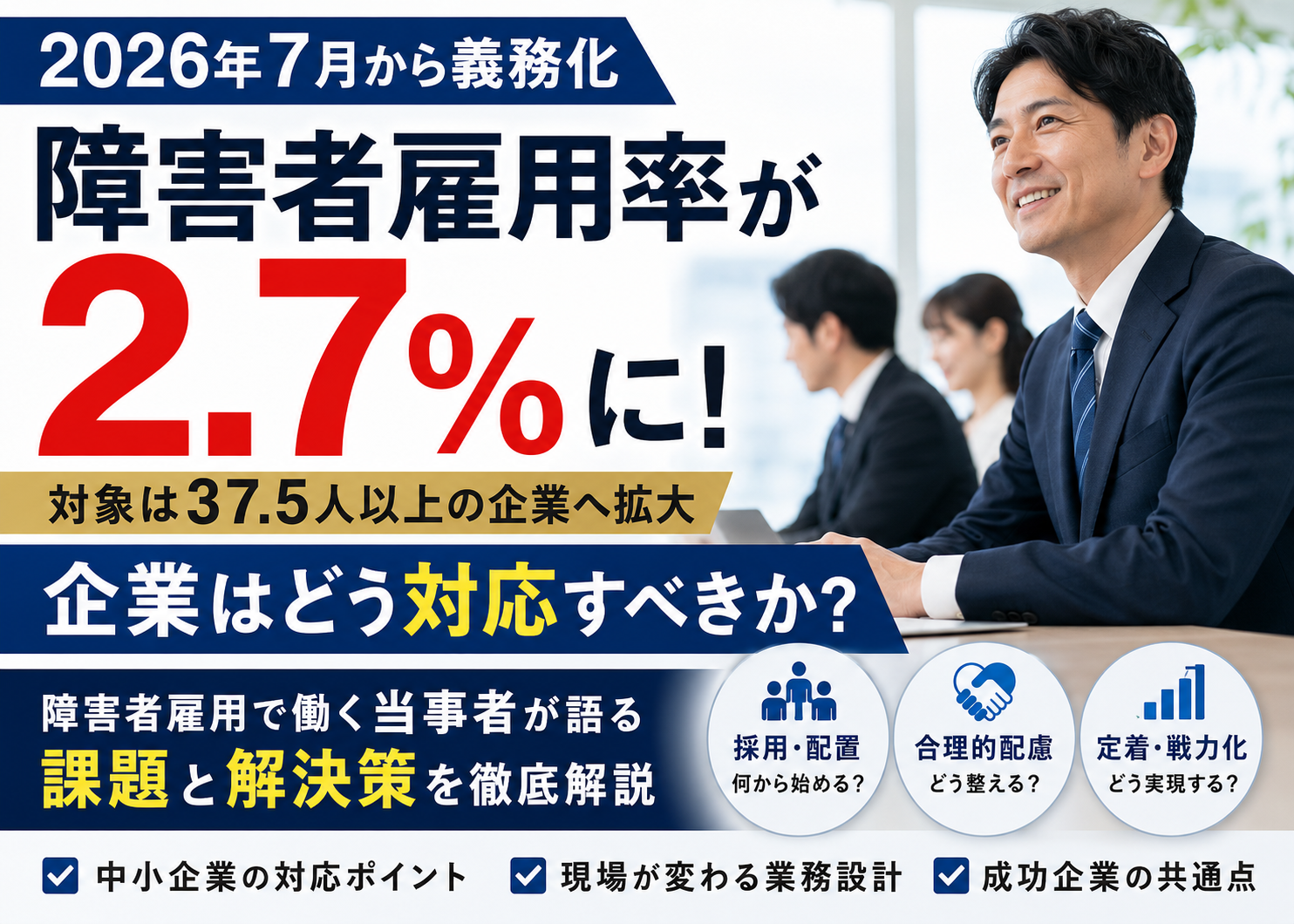
障害者雇用で「仕事を切り出す」だけでは足りない
――元課長・中途重度障害当事者が考える「人を活かす仕事の再設計」
障害者雇用で「仕事を切り出す」だけでは、本当の人材活用にはつながりません。健常者時代に課長を…














コメントを残す