✅ Meta Description
Prayer is not about asking for something. It’s about living in harmony with nature. Rediscover the wisdom of the Jomon era and the spirituality of Shinto.
🔍 Keywords
- Jomon prayer
- Shinto nature coexistence
- Meaning of daily prayer
- Jomon philosophy
- Living with nature
- Shinto lifestyle
- Prayer and disability
- Animism in Japanese culture
- Sustainable coexistence model
- Living with the divine
📑 Table of Contents
- Introduction | Prayer is not about wishes but daily reverence
- What Was the Prayer of the Jomon People?
- The Essence of Shinto and Everyday Divinity
- Coexistence with Nature and Humanity Is Not a Fantasy
- Living with a Disability and the Meaning of Existence
- How to Reclaim Prayer in Everyday Life
- Conclusion | The Will of Jomon Lives in You
1. Introduction | Prayer is not about wishes but daily reverence
When we hear the word “prayer,” many of us imagine making a wish—perhaps on Tanabata, New Year’s Day, or during exams. But for the Jomon people of ancient Japan, prayer was not a tool to ask for something in the future. It was a daily act of gratitude and coexistence with nature.
They bowed to the sun each morning, felt the wind as a divine presence, and celebrated the rain. These were not ceremonial events but ways of life. Prayer was interwoven with existence itself.
In this article, we’ll explore this profound idea of “living as prayer”, tracing its roots from the Jomon era to the Shinto way of life, and ask how we—modern people—can bring this sacred awareness back into our everyday lives.
2. What Was the Prayer of the Jomon People?
● 2-1. Nature as Sacred Beings
The Jomon era lasted over 10,000 years—an incredibly long period of peace without war, hierarchy, or cities. They had no writing systems or states, but they listened closely to the voice of nature.
They believed gods (kami) resided in the mountains, rivers, trees, and wind. This worldview, known as animism, is the core of Jomon spirituality. Prayer was not directed to a single god but to everything that inspired awe.
● 2-2. Everyday Life Was Prayer
Prayer was not reserved for rituals. It was infused in their daily life—in the silence before hunting, in the songs around the fire, in the dances after harvest.
To the Jomon people, living and praying were one and the same.
Perhaps modern people have made prayer too “special.” We need to reclaim the sense of prayer as something natural, quiet, and ever-present.
3. The Essence of Shinto and Everyday Divinity
● 3-1. Shinto Is Not a Religion, But a Way of Living
Shinto has no founder or sacred scriptures. It is not a religion in the Western sense—it is a way of living in harmony with nature.
From pouring water on home altars, to cleaning the house with salt, to visiting shrines at New Year, to welcoming ancestors during Obon—every act in Shinto is a form of prayer.
● 3-2. Kami Are Not “Out There,” They Are “Here”
Unlike the distant, omnipotent God of monotheism, Shinto’s kami are not creators but co-inhabitants of this world. They dwell in the trees, in children, in the deceased, in fire and water.
Prayer in Shinto is not sending your wishes to heaven. It is a gesture of respect for what already exists around you, and being aware of the divine presence in daily life.
4. Coexistence with Nature and Humanity Is Not a Fantasy
● 4-1. The False Dichotomy Between Growth and Ecology
Today’s society often pits environmental protection against economic growth. But this is a false dichotomy based on the belief that nature is separate from humans.
We depend on air, water, sunlight, and food. Human flourishing is impossible without nature’s thriving.
● 4-2. True Coexistence Means No Hierarchy
True coexistence isn’t about domination or control—it’s about balance, support, and mutual respect.
We can see this in:
- Natural farming and permaculture
- Forest preservation through local shrines
- Decentralized energy and local food systems
These modern practices reflect the Jomon spirit of harmony and sustainability.
5. Living with a Disability and the Meaning of Existence
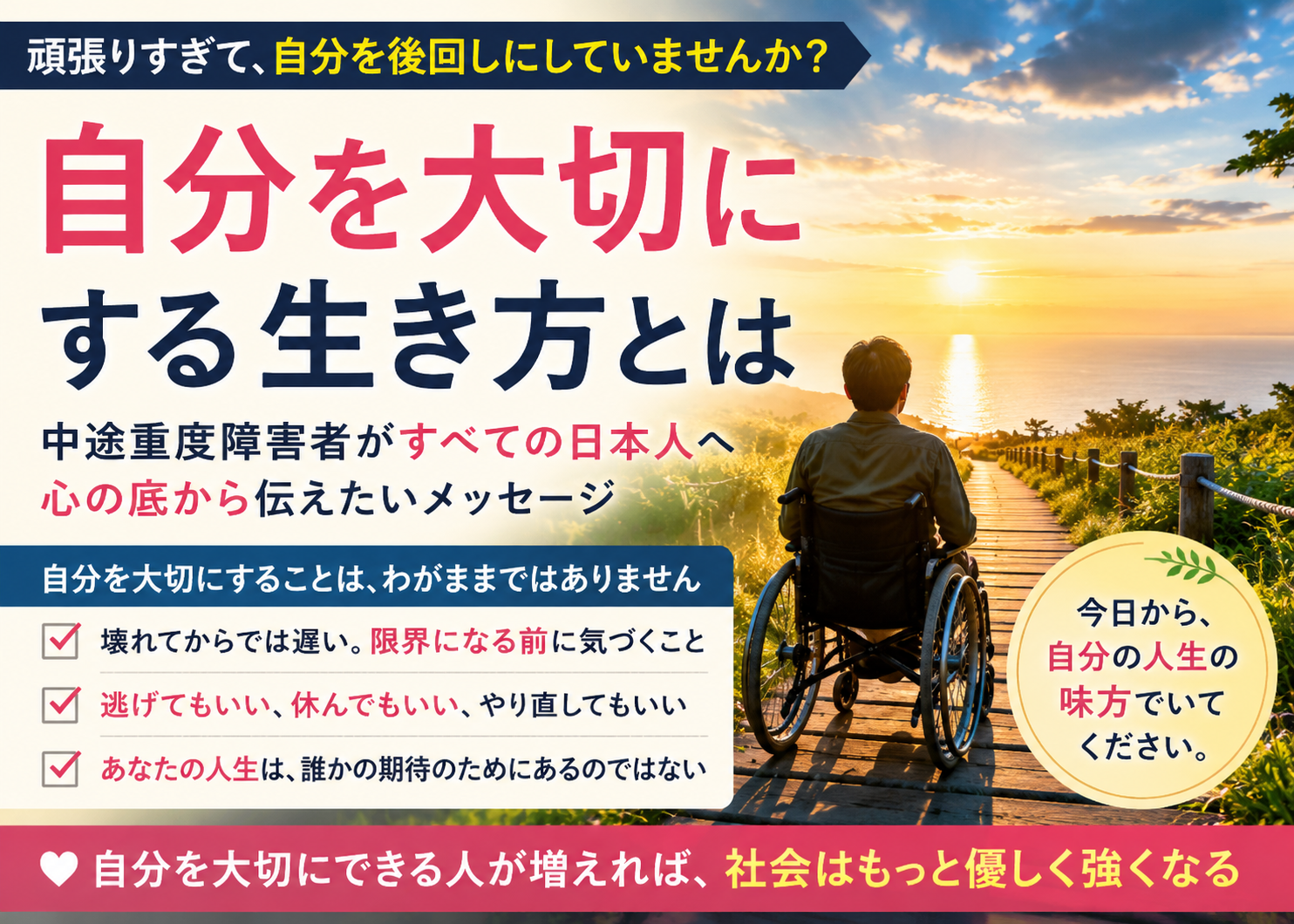
I live with a severe physical disability. Since I lost my physical abilities, I’ve come to understand the essence of prayer.
- Waking up and being alive
- Being able to eat
- Someone helping me turn on my computer
- Simply feeling the warmth of another human being
These are all small miracles—each deserving of silent gratitude.
I now see nature not as a utility but as a gift. This mindset is deeply aligned with the worldview of the Jomon people.
6. How to Reclaim Prayer in Everyday Life
● 6-1. Prayer Can Be Simple Habits
You don’t need a temple or ceremony to pray. You can do it in these small ways:
- Take a deep breath facing the morning sun
- Say “thank you” or “itadakimasu” before eating
- Touch soil, feel the wind, listen to rain
- Water a plant mindfully, with gratitude
● 6-2. Personal Prayer Can Shape Society
More people who pray = a more compassionate society.
- People who pray don’t destroy easily
- They share rather than hoard
- They walk together instead of racing ahead
Prayer is not just personal—it is the smallest and greatest social action we can take.
7. Conclusion | The Will of Jomon Lives in You
Prayer is not a technique or superstition. It is the most natural and essential movement of the human spirit.
The Jomon people never forgot this. Shinto preserves it. And we can live it again—today, here, and now.
Life in harmony with nature is not a lost dream. It is the optimal shape of a better future.
If you’ve ever looked up at the sky and felt moved by its beauty, then the prayer of the Jomon people already lives within you.
📝 Summary: What You’ve Learned from This Article
ThemeMessageWhat is Jomon prayer?Living together with nature and the divineWhat is Shinto?A daily life based on gratitude and reverenceCan humans coexist with nature?Yes. Human prosperity relies on nature’s healthDisability and prayerFinding meaning in small acts and presenceHow to pray todayDeep breathing, gratitude, nature awarenessSocial impact of prayerCreates a more compassionate, sustainable society















コメントを残す