– A Perspective from a Person with a Severe Acquired Disability
Introduction: “The Future” Sounds Good, But What About Right Now?
Every time there’s an election, especially a House of Councillors election here in Japan, the same phrases echo across campaigns:
“For our future.”
“For the children yet to be born.”
“To overcome the declining birthrate.”
And yet, I wonder—who is speaking for the children already born?
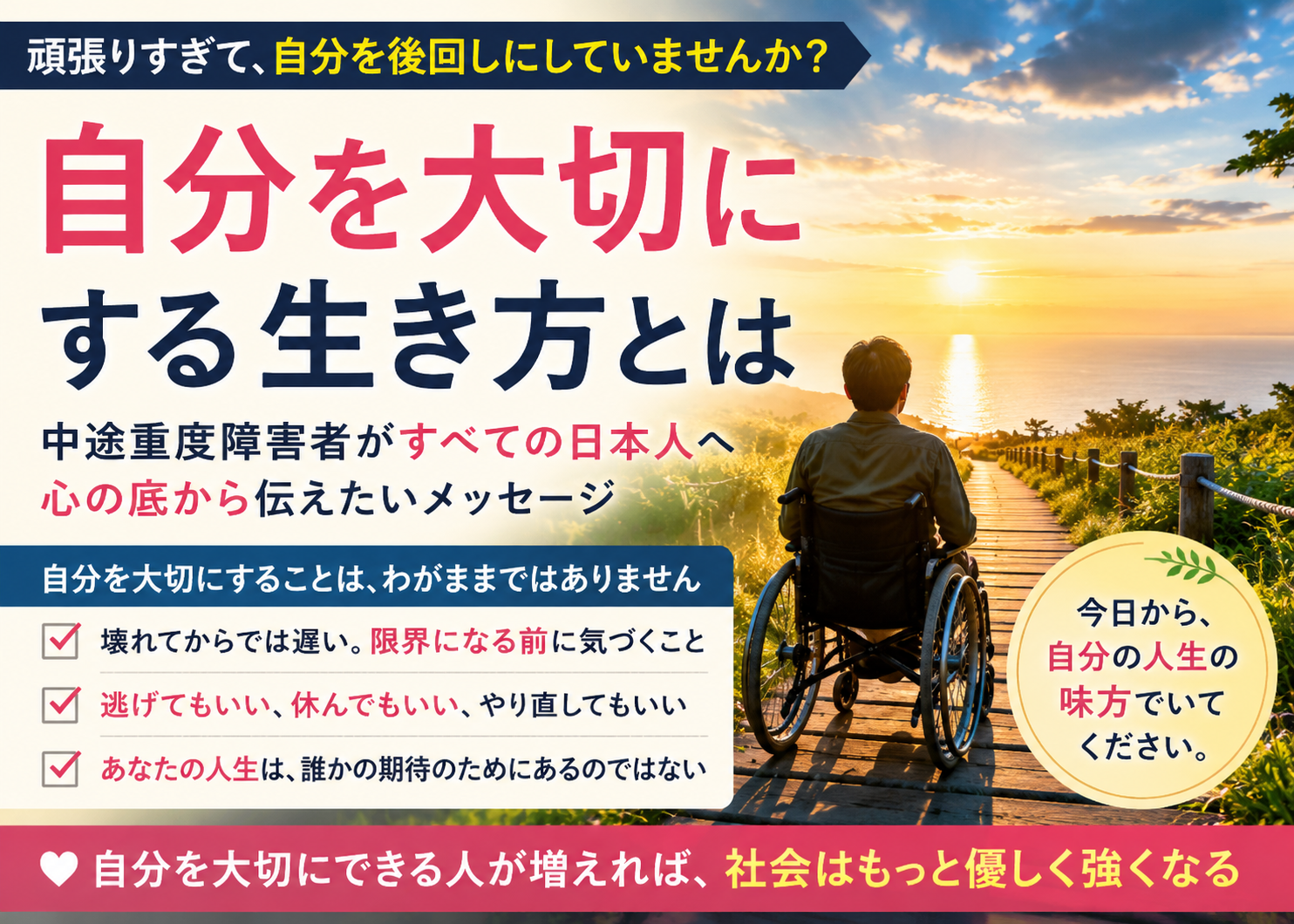
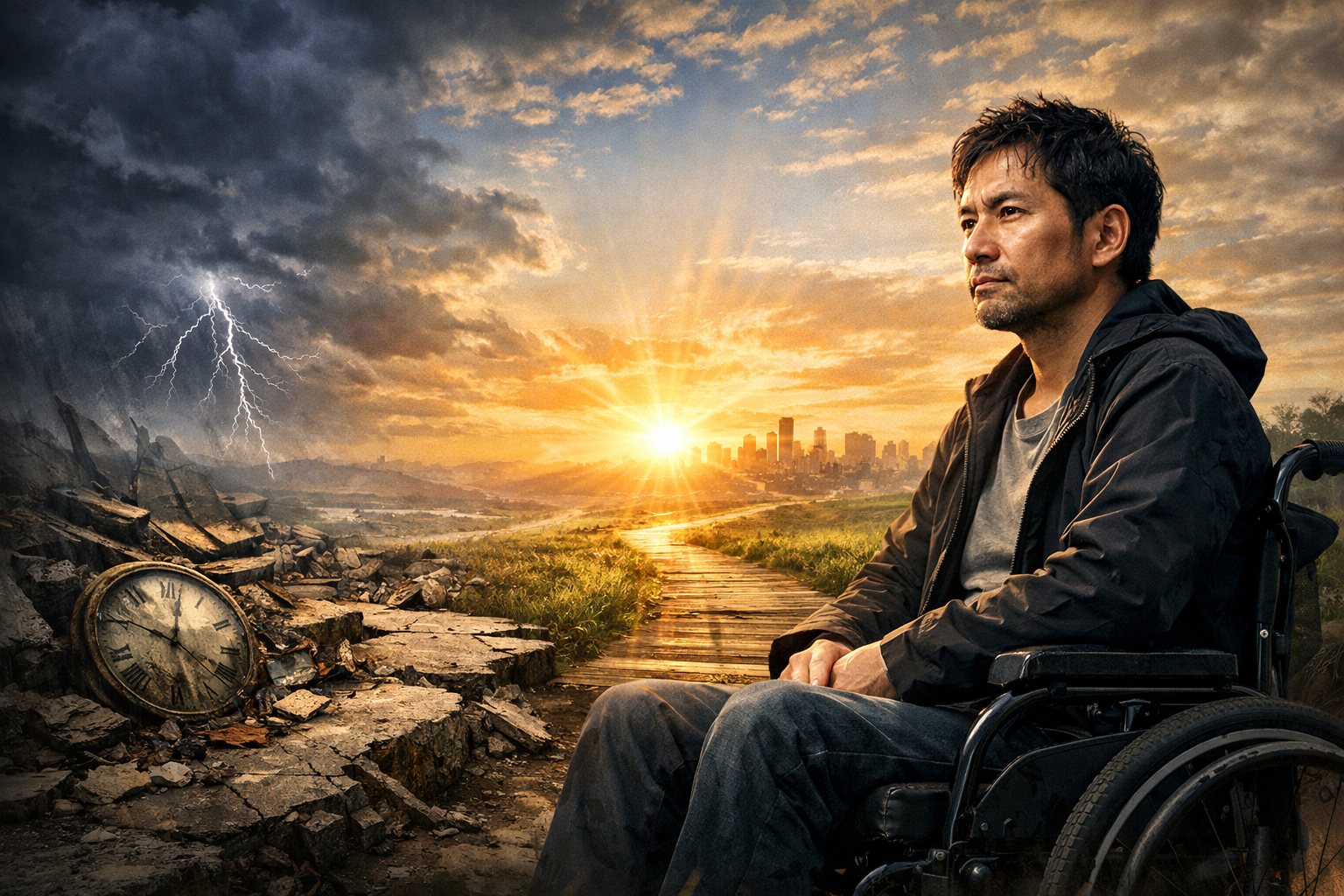
As someone who became severely disabled later in life, I’ve seen firsthand how systems often fail those who need help the most—right now, in this moment. We can’t just talk about future generations without first looking at the ones already struggling today.
This article is my heartfelt plea:
Let’s stop romanticizing “the future” while neglecting the children who are right in front of us.
Future-Focused Welfare: A Comforting Illusion?
Politicians love to speak about raising birthrates, expanding parental leave, or creating “visions” for families of tomorrow.
These are noble goals. But here’s the truth:
Policies take years to be implemented.
By the time help arrives, many children have already fallen through the cracks—some in poverty, others in abusive homes, or isolated with no one to talk to.
If we’re always investing in “tomorrow,” we risk losing “today.”
Why Is It So Hard to Raise a Child in Japan—Right Now?
It’s not that Japan isn’t doing anything. Birth incentives, parental leave, and nursery school programs are in place.
But once a child is born, support quickly fades.
- Childcare subsidies often stop after preschool.
- After-school programs are underfunded and understaffed.
- Support for children with disabilities, neurodivergence, or school refusal is scarce.
We’re good at helping people get started as parents. But we’re failing them once the real work begins.
Education and Welfare: Two Systems That Don’t Talk
A problem I’ve personally faced is this: systemic fragmentation.
In Japan, education and welfare are treated as separate spheres. That division harms real people.
- Special education programs lack trained staff.
- Teachers aren’t trained to understand neurodiversity.
- Schools and welfare offices rarely collaborate.
As long as education is designed for the “typical child,” any child who doesn’t fit the mold will be excluded.
It happened to me in disability services—and I see it happening to countless children today.
From Lived Experience: When Support Exists But Doesn’t Reach You
When I became disabled, I learned something shocking:
Even when support systems exist on paper, they don’t always reach the people who need them.
- Information doesn’t get to families.
- Applications are slow and complex.
- There aren’t enough professionals to offer support.
A support system that doesn’t reach the person in time isn’t support—it’s just theory.
Let’s Invest in the Present—Because That’s Where the Future Begins
“Invest in the future” is a nice slogan.
But what is the future made of? It’s made of today.
If children today feel unsafe, unsupported, or unloved, what kind of adults will they become?
We need to:
- Redirect budgets to vulnerable children and schools.
- Hire and train more support professionals.
- Make policies practical—not just visionary.
Investing in the present is how we build the future.
A Message to Politicians and Voters: Who Are You Really Serving?
To politicians:
- Do you know that some children can’t attend school due to anxiety or illness?
- Do you know many rely on school lunches for their only nutritious meal?
- Do you realize abuse and neglect are happening right now, in silence?
These are not “future citizens.”
They are our present.
To voters:
Please don’t get swept away by hopeful promises for tomorrow. Let’s ask what needs fixing today.
Toward a Compassionate Society: What You Can Do
We live in a time where empathy is power.
Policies driven by empathy are policies that save lives.
So I ask you:
- Notice the child in your community who seems isolated.
- Think of exhausted parents and overburdened teachers.
- Reflect on whether political pledges feel close to your life—or far away.
Your voice matters.
And your empathy can reshape the system.
Conclusion: Let’s Not Sacrifice the Present for the Future
Talking about “the future” feels safe.
But the future doesn’t exist in a vacuum. It grows from how we treat the present.
Let’s:
- Respect the lives of children already here.
- Deliver support now, not later.
- Build a system that values real people, not idealized statistics.
As someone who entered disability life suddenly, I’ve experienced both compassion and neglect.
That’s why I say:
Before you place all your hopes in tomorrow, place your actions in today.
That’s the real future we pass on.
About the Author
Person with a severe acquired disability | Former corporate admin | Certified counselor | Shinto practitioner
I write from the space between policy and reality, seeking to bridge gaps with truth and empathy.
Suggested Hashtags
#JapanElection2025 #SupportChildrenNow #InvestInThePresent #WelfarePolicy #DisabledVoices #EducationAndWelfare
















コメントを残す