Turning Anger into Criteria — and Votes — Before It’s Too Late
TL;DR (for global readers)
This is not a rant.
This is a diagnostic guide.
“Selling out a nation” is not about flags or ideology.
It is about quietly transferring decision-making power over healthcare, security, energy, and food away from citizens — in ways that cannot be reversed.
This happens legally.
It happens slowly.
And it happens in every democracy where voters stop checking the system.
Japan is my case study.
But the structure is universal.
Why I’m Writing This — From the Body That Learned the Hard Way
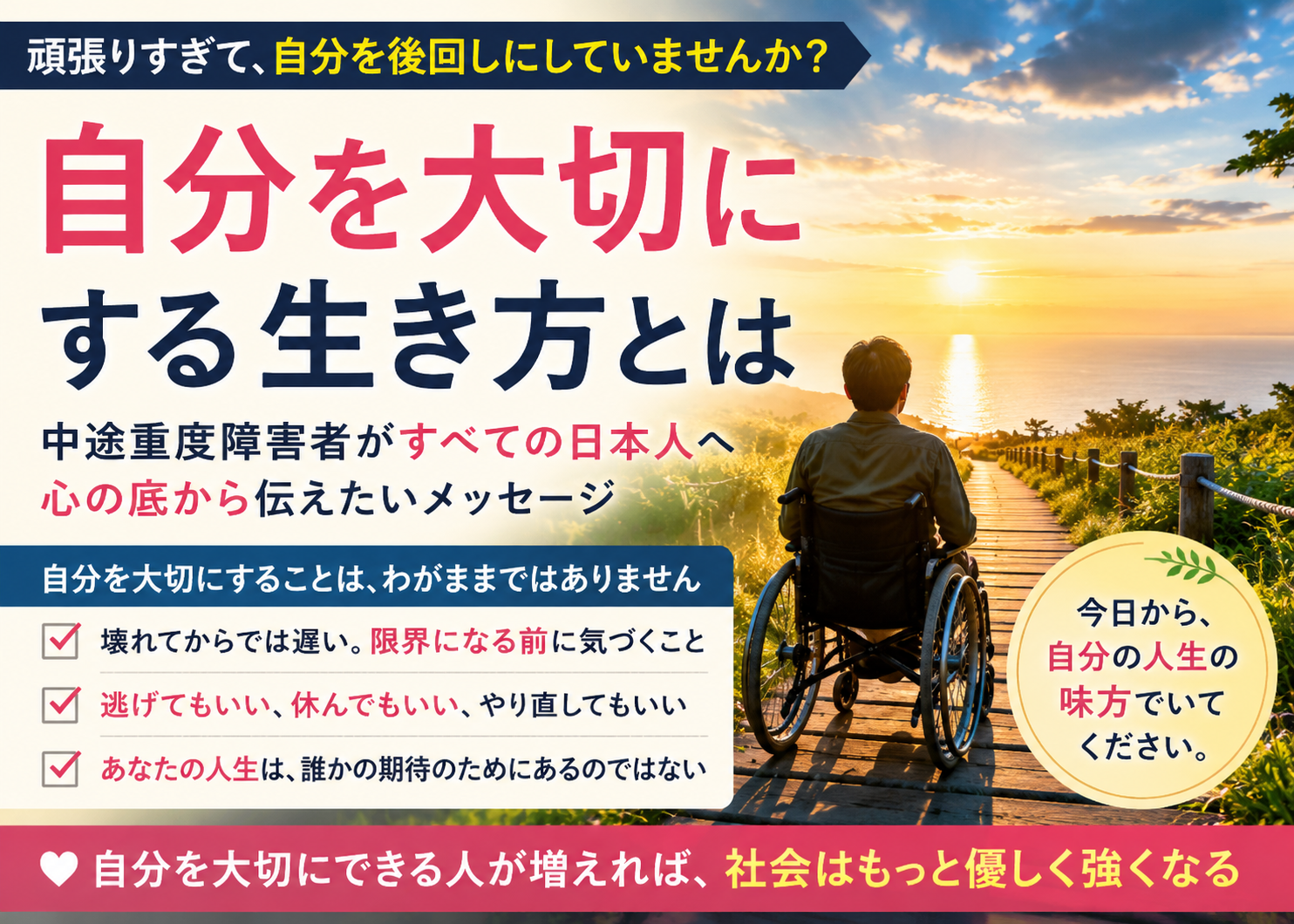
I became severely disabled midway through my life.
When that happens, one illusion dies instantly:
Life is not powered by motivation.
Life is powered by systems.
If electricity fails, medical devices fail.
If medicine supply chains fail, lives fail.
If transportation fails, independence fails.
From that moment on, politics stopped being “opinion” to me.
Politics became infrastructure.
Healthcare.
Security.
Energy.
Food.
These are not abstract debates.
They are the operating system of survival.
And once you see politics that way, one truth becomes impossible to ignore:
Nations rarely collapse dramatically.
They are quietly dismantled.
First, Let’s Define the Word Everyone Uses — and Almost No One Defines
What “Selling Out a Nation” Actually Is
Selling out a nation means quietly and irreversibly transferring control over a country’s survival systems — healthcare, security, energy, food, and decision-making — away from its people, without clear public consent or accountability.
Three conditions always appear together:
What’s transferred is not money — it’s authority
The transfer is effectively irreversible
Responsibility disappears when things go wrong
This is not treason in a movie sense.
No secret meetings. No villains in dark rooms.
It happens through:
contracts
outsourcing
regulatory loopholes
“temporary” exceptions that never end
decisions postponed until citizens stop watching
That’s why it’s dangerous.
Why This Is Not a Party Problem — It’s a Structural One
This matters globally:
Any political party can enable national sell-out behavior if the structure allows it.
Why?
Because politics everywhere contains the same temptations:
money that becomes visible only if transparency is avoided
responsibility that dissolves when tasks are outsourced
“international standards” used as shields against accountability
costs shifted to citizens in ways they barely notice
So stop asking:
“Which party do I like?”
“Which leader sounds sincere?”
Start asking:
Who gains control?
Who loses it?
Who pays when this fails?
The Survival Checklist — How Citizens Can Judge Any Politician, Anywhere
This is the core of this article.
No ideology. No slogans.
Just criteria.
1. Healthcare: Is Universal Access Protected — or Quietly Hollowed Out?
Universal healthcare is not charity.
It is national resilience.
When healthcare becomes tiered:
disasters kill more people
pandemics spread faster
families collapse financially
social trust erodes
A nation is being sold out when leaders:
claim to “protect healthcare”
while systematically weakening local medical access
until only those who can pay survive comfortably
That’s not reform.
That’s erosion.
2. Healthcare: Are Medical Failures Investigated — or Just Apologized For?
Words don’t prevent repeat damage.
Systems do.
Ask one question:
Does this political system institutionalize investigation and correction — or does it just issue apologies and move on?
A country that refuses to learn from medical failures is quietly volunteering future victims.
3. Security: Are Critical Lands, Water, and Infrastructure Treated as Strategic Assets?
Land is not just property.
It is the physical base of sovereignty.
When governments:
fail to monitor strategic locations
avoid managing critical infrastructure
dismiss concerns as “overreaction”
They are not being tolerant.
They are being negligent.
This pattern appears worldwide.
4. Security: Can Leaders Explain Information Protection — Without Extremes?
Information defense is not about paranoia.
It’s about realism.
Ask this:
What information must be protected?
How is abuse of power prevented?
Where are the checks?
If leaders can only shout “yes” or “no,” they are not designers.
They are passengers.
5. Energy: Are Citizens Paying Quietly for Someone Else’s Vision?
Energy debates often hide one thing:
Who pays — and who decides?
Selling out happens when:
costs are fragmented into invisible charges
citizens fund systems they don’t control
accountability vanishes when failures occur
Energy without responsibility is not sustainability.
It’s financial extraction.
6. Energy: Is Dependency Increasing — or Resilience?
The danger is not a specific technology.
The danger is dependency:
on external supply chains
on fragile grids
on maintenance controlled elsewhere
on pricing power citizens cannot influence
A nation that cannot restore power quickly cannot protect life.
7. Food: Is Food Treated as Ideology — or Physical Reality?
Food security is not nationalism.
It’s physics.
When supply chains break, currency weakens, or transport halts:
the most vulnerable fall first
then everyone follows
A government that treats food as “someone else’s problem” is selling future stability.
The Pattern: Selling Out Is Quiet by Design
No single decision destroys a country.
Instead:
one small regulatory exception
one outsourced responsibility
one “temporary” measure
one transparency delay
Over time, citizens still pay —
but no longer decide.
That is what selling out looks like.
Voting Is Not Expression — It Is System Authorization
This is where many democracies fail.
People treat voting as:
self-expression
emotional alignment
tribal identity
That is a mistake.
Voting is system authorization.
Voting = you approve the design
Not voting = you let others finalize it
There is no neutral position.
The Hard Sentence — Read It Slowly
A careless vote can dismantle a nation.
An unexamined vote can do more damage than open hostility.
That is not intimidation.
It is how democratic systems function.
What To Do — Anywhere, Not Just Japan
Stop reacting emotionally
Apply structural criteria
Track decisions, not speeches
Vote as if infrastructure depends on it
Because it does
Final Words — Turn Anger into Design Pressure
Anger is justified.
But anger alone burns allies.
Channel it:
into criteria
into transparency
into accountability
into votes
That is how democracies survive quiet dismantling.
Shareable Line (Free to Copy)
“Selling out a nation isn’t about flags or ideology. It’s about quietly transferring control over healthcare, security, energy, and food away from citizens — until they pay but no longer decide. Vote like systems depend on it. They do.”

障害者雇用で「仕事を切り出す」だけでは足りない
――元課長・中途重度障害当事者が考える「人を活かす仕事の再設計」
障害者雇用で「仕事を切り出す」だけでは、本当の人材活用にはつながりません。健常者時代に課長を…














コメントを残す