— A Quiet, Honest Essay on “Japanese Spirit,” Individualism, and the Warmth We’re Losing
Introduction: This Isn’t Nostalgia. And It’s Not a Lecture.
People say, “More and more Japanese people don’t inherit Japanese spirit anymore.”
That sentence is dangerous.
If you say it carelessly, it turns into a lecture.
It turns into “young people these days.”
It turns into exclusion.
It turns into “Japan is over.”
So I want to say it differently:
I don’t want to forget what was good about being Japanese.
That’s all.
After I became severely disabled later in life, I learned—physically—how a life can break.
There are areas where effort, morality, and “try harder” mean nothing.
And there are moments when even perfect systems can’t save a heart.
So no, I’m not here to idealize the past.
Traditional communities had suffocating pressure.
“Reading the air” could become violence.
“Don’t cause trouble” crushed the weak.
And yet—still—
Even after admitting those shadows, I don’t want to lose the warmth that existed in everyday life.
This is not an article to mourn what’s gone.
It’s an article to protect what matters—in modern language.
1) What I Mean by “What Was Good” Isn’t Morality. It’s a System That Kept People From Completely Breaking.
When people talk about “Japanese goodness,” it quickly becomes a list of virtues:
Politeness. Diligence. Patience. Humility. Harmony.
Sure. Those exist.
But what I don’t want to forget is something deeper—something structural.
Here’s my definition:
What was good about being Japanese was the “relationship design” embedded in daily life—
a way of living that made it harder for people to become totally isolated when they were weak, lost, or broken.
This isn’t about “Japanese people were nicer.”
This isn’t pretty talk.
It was a practical operating system for living inside a community.
And I know the value of that “margin” more than most—because I live with a body that can collapse.
Life breaks.
What you need then isn’t willpower.
You need room to return.
Room to rebuild.
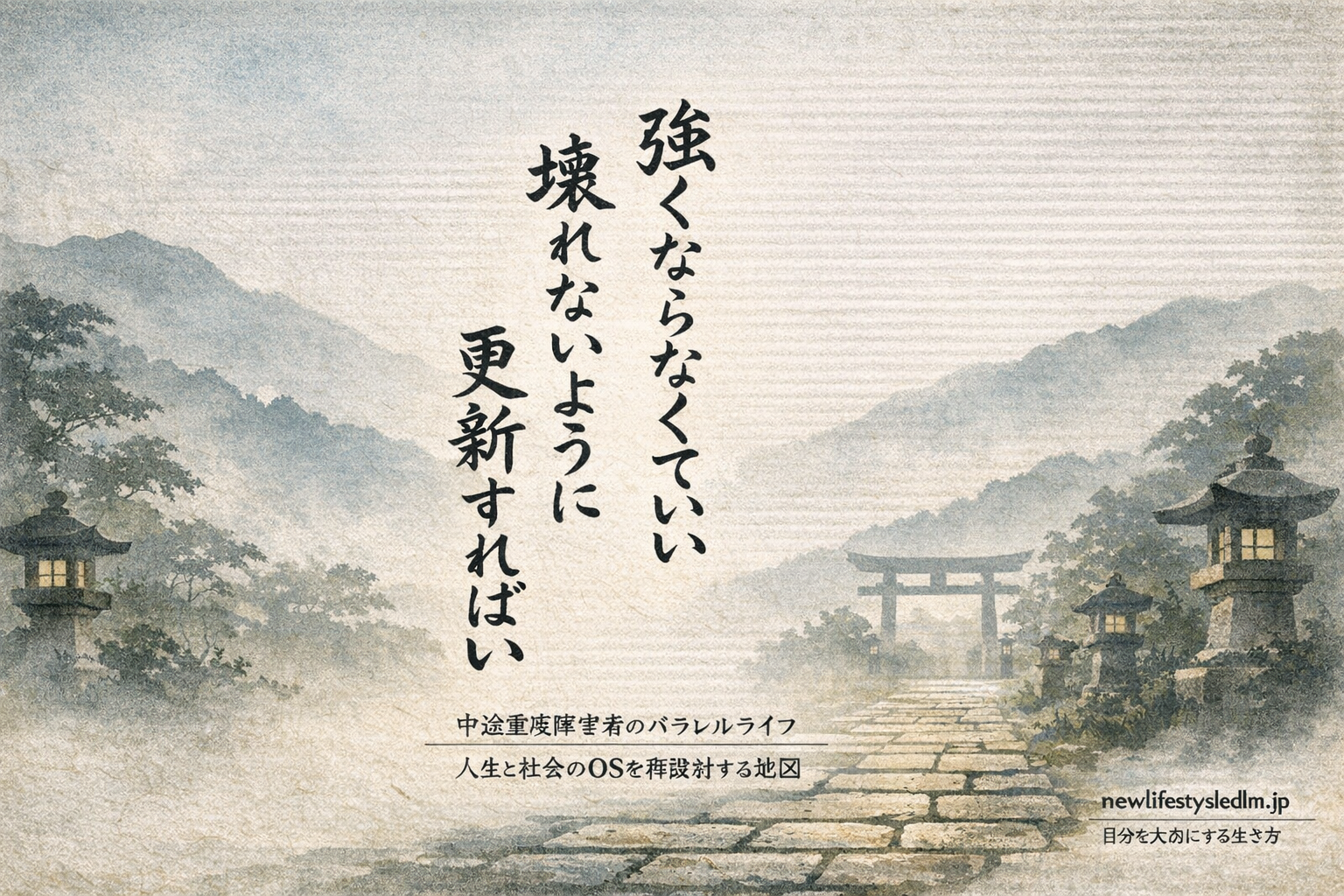
Restorability.
That, to me, was one of Japan’s true strengths.
2) What I Don’t Want to Forget #1: Kindness Without Words — The Ethics of “Presence”
Japan used to have a kind of kindness that wasn’t loud.
A gift left quietly at your door
Someone helping without making a speech
A person slowing down the conversation because they sensed your condition
People choosing not to bring up your failure because they knew you were already bleeding
Silence that doesn’t force encouragement when encouragement would hurt
Yes—this could also turn into pressure: “You should notice.”
So it’s not perfect.
But I don’t want to lose the ethics of presence.
Because modern society easily erases what can’t be explained.
Pain. Anxiety. Trauma. Family burdens. Lack of energy.
These are hard to prove.
Hard to quantify.
So they get treated as if they don’t exist.
As a disabled person, I live inside invisible limits.
That’s why I fear a world that loses sensitivity to the invisible.
3) What I Don’t Want to Forget #2: The Sense of Circulation — A World Where Kindness Comes Back Around
There’s a Japanese saying that roughly means:
“Kindness is never wasted.”
Not because the world is moral, but because relationships circulate.
Help someone today—
and someday, somewhere, you may be helped.
Traditional Japanese life wasn’t built for “solo completion.”
Rice farming communities weren’t designed for individual perfection.
They were designed for interdependence.
But today, circulation is harder to feel.
Life became urban.
Then digital.
Then service-based.
Then fully monetized.
“Pay and it’s done” increased.
Convenience rose.
Fairness improved.
But warmth dropped.
When circulation disappears, loneliness grows.
When loneliness grows, people stop expecting anything from others.
When expectations die, relationships stop growing.
And that creates more loneliness.
This broken circulation is one reason society feels colder now.
I don’t want to forget the feeling that kindness can circulate.
4) What I Don’t Want to Forget #3: The Art of Editing — How to Protect Relationships Without Winning
Japanese people had a certain skill:
They could “edit” their words and behavior to protect relationships.
Not saying things directly, but making sure they still land
Letting the other person keep their dignity
Shifting the conflict so it can end safely
Choosing “what continues tomorrow” instead of “who wins today”
Yes—this could also suffocate people.
It could silence truth.
So again: not perfect.
But modern society has a different danger.
“Correctness” has become too strong.
A society obsessed with being correct breaks people.
Debates turn into executions.
Winning becomes the goal.
And when winning increases, relationships die.
When relationships die, people become isolated.
And isolation breaks lives.
That’s why I don’t want to forget this Japanese skill:
Not “harmony.”
Not “obedience.”
But how to end without destroying the future.
This is not morality.
It’s a technology of restorability.
5) Why “Japanese Spirit” Looks Like It’s Fading — Individualism Isn’t Freedom. It’s Armor.
Let’s talk about today.
Japanese spirit didn’t simply “disappear.”
Society changed in a way that made it less necessary—and sometimes impossible.
Communities weakened.
Relationships became easy to cut.
People move constantly.
SNS divides us.
Everything gets quantified.
And most of all—people lost margin.
So people adopt a survival strategy:
Don’t expect
Don’t get too close
Protect your territory
Finish life alone if possible
Avoid “being a burden” by becoming isolated in advance
This is what modern individualism often is.
I’m not saying individualism is evil.
Sometimes you need it to survive.
But here’s the sadness:
The more individualism spreads, the colder relationships become.
And the colder relationships become, the more the weak get trapped.
As someone who became severely disabled later in life, I know what it means to need “room to return.”
That’s why I want to protect Japanese goodness not as “spirit,” but as restorability.
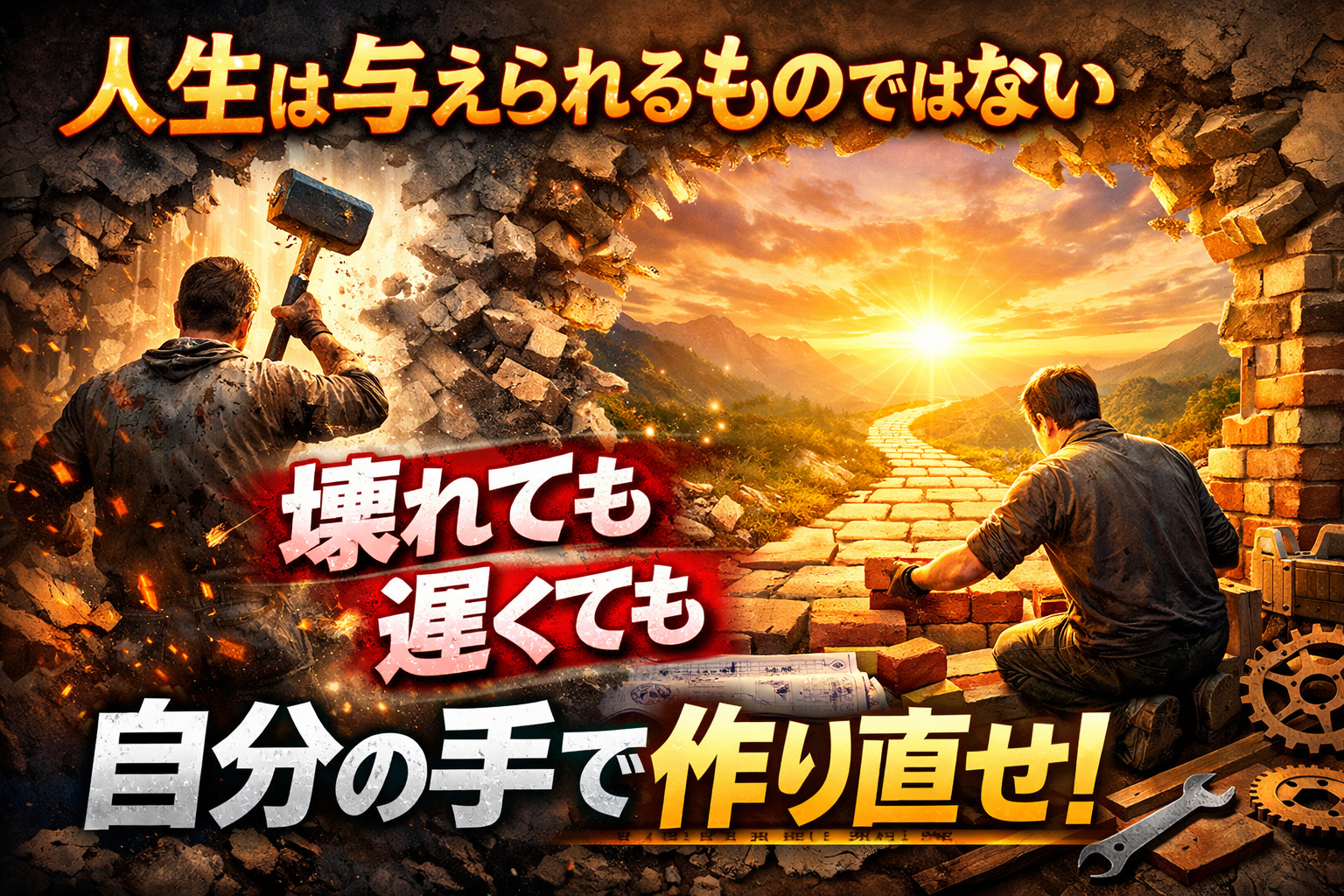
6) I Don’t Want to “Go Back.” I Want to Rebuild the Function in a Modern Form.
I’m not asking to return to the old Japan.
Old communities had cruelty.
They had exclusion.
So we should not restore the old shape.
But we can extract the function—
and re-implement it in modern language.
6-1) From “Read the Air” → To “Confirm With Care”
In modern life, silent assumptions cause accidents.
So we translate:
“Sense it” → Ask
“Air” → Confirm
“Endurance” → Speak before collapse
“Restraint” → State boundaries clearly
We don’t throw away sensitivity.
We make it safe.
6-2) From “Circulation” → To “Small Return Habits”
If circulation is hard to feel, we build it intentionally:
Say thank you out loud
Return value beyond money
Create small “ask/help” relationships
Leave connections that don’t end in one transaction
6-3) From “Editing” → To “Restorability Over Correctness”
Instead of asking “Who’s right?” we ask:
Can this relationship be repaired?
Choose observation over condemnation
Leave room for the other person’s background
Prioritize endings that allow tomorrow
This is the modern form of the Japanese strength I want to keep.
Closing: I Don’t Want to Forget That Warmth.
When people say “Japanese spirit is fading,”
the real fear isn’t that manners are disappearing.
The real fear is this:
A society is forming where broken people can’t return.
I know life breaks.
I live in a body that proves it.
And when life breaks, what saves you isn’t toughness.
It’s room.
Margin.
A path back.
Japan once had more of that embedded in daily life:
presence, circulation, and the art of ending without destroying the future.
I don’t want to forget that warmth.
Not because I want to glorify the past—
but because I don’t want to keep shaving away the restorability of the weak.
So I write this down.
So it stays.
● About Me

I’m Jane, the creator and author behind this blog. I’m a minimalist and simple living enthusiast who has dedicated her life to living with less and finding joy in the simple things.












コメントを残す