Meta Description (within 155 characters)
From the symbolism of cherry and plum blossoms to samurai and aristocrats, a disabled Japanese blogger explores Japan’s spirit and the beauty of dignified death.
Primary SEO Keywords (naturally included)
Japanese spirituality / Samurai vs. aristocrats / Meaning of cherry and plum blossoms / Dignified death Japan / Mono no aware / Japanese view of life and death / Death aesthetics / Disabled blogger / Japanese beauty ideals / Life and death choices / Severely disabled Japan
Table of Contents
- Introduction: The Japanese Soul in Blossoms and Classes
- Samurai and Aristocrats: The Aesthetics of Life and Death
- Cherry Blossoms and Plum Blossoms: Floral Metaphors of Life and Death
- The Dual Nature of Japanese Spirituality
- Dignified Death as Cultural Continuity
- Reflections as a Severely Disabled Person
- Toward the Future: Living and Dying Together with Dignity
- Conclusion: Living with Mono no Aware
Introduction: The Japanese Soul in Blossoms and Classes
The Japanese have long found profound meaning in nature, especially flowers, as symbols of life, impermanence, and beauty. Among them, cherry blossoms and plum blossoms stand as the dual metaphors of Japanese aesthetics. Likewise, the samurai and the aristocrats represent contrasting but coexisting worldviews about how to live and how to die.
Cherry blossoms reflect the fleeting brilliance of life, while plum blossoms reveal quiet strength and resilience. The samurai dedicated themselves to honor and death; the aristocrats indulged in the elegance of long life. Through these comparisons, we uncover deep insights into Japanese spirituality and its enduring influence on how modern Japanese perceive death with dignity.
Samurai and Aristocrats: The Aesthetics of Life and Death
The Samurai Ethos: Ready to Die at Any Moment
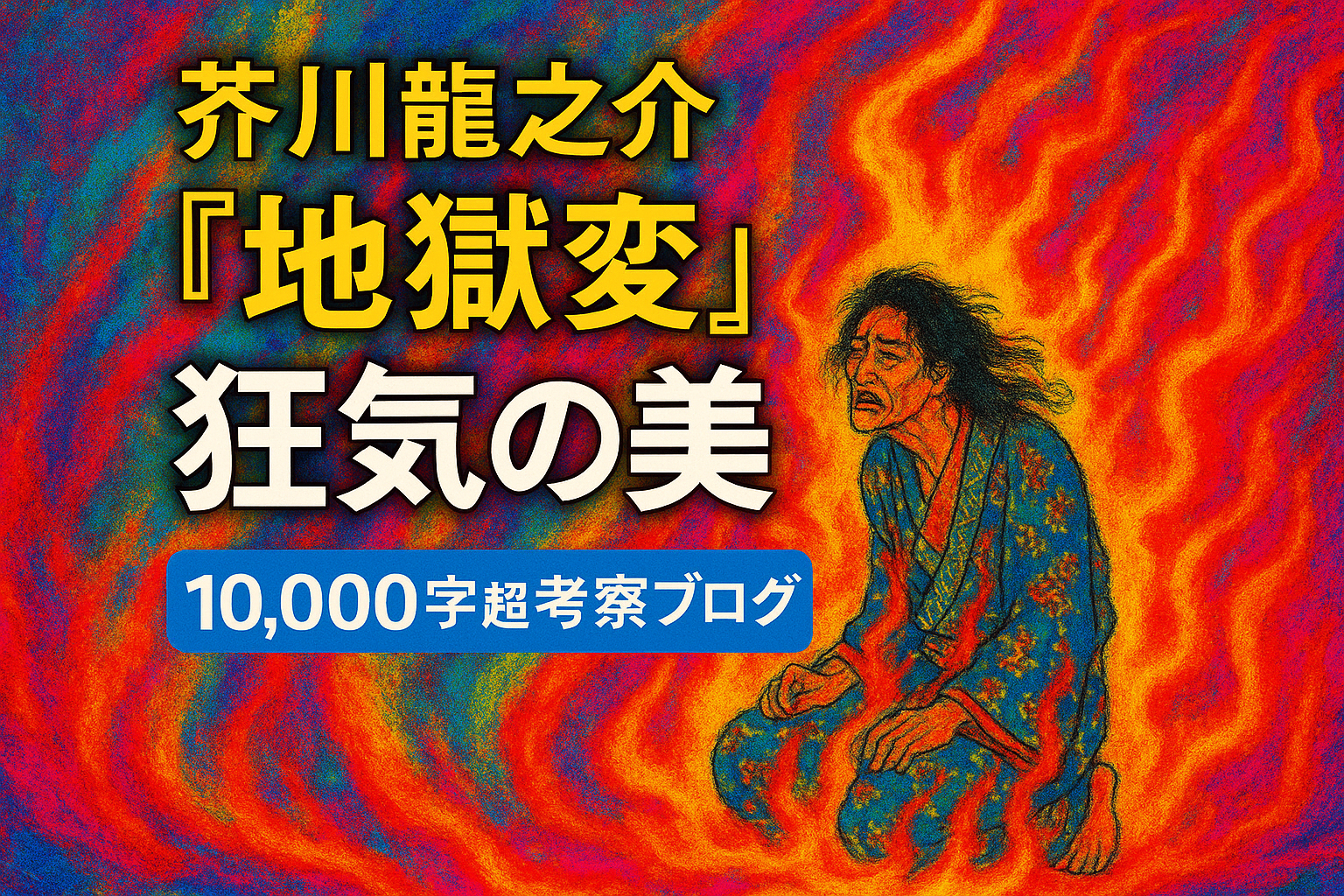
As famously captured in Hagakure, the samurai ethic was founded on the acceptance of death. “The way of the samurai is found in death.” Honor was not in survival but in choosing how to die. Dying in battle or committing ritual suicide (seppuku) was seen not as tragedy, but as the highest fulfillment of loyalty and character. This ideal mirrored the cherry blossom: full bloom followed by sudden fall.
The Aristocratic Sensibility: Prolonged Elegance
By contrast, aristocrats of the Heian period cherished the passage of time—relishing the seasons, beauty, poetry, and romantic nuance. As in The Tale of Genji, life was a canvas for refinement. Death was not rushed but arrived softly, like the scent of plum blossoms lingering at winter’s end. To live long and gracefully was a virtue in itself.
Cherry Blossoms and Plum Blossoms: Floral Metaphors of Life and Death
Cherry Blossoms: The Aesthetics of Ephemerality
Cherry blossoms symbolize impermanence and noble death. Their brief bloom and rapid fall inspired samurai ideals and later, even wartime propaganda. Yet they remain beloved for the sadness they evoke—a fleeting moment of beauty that touches the soul.
Plum Blossoms: Strength in Adversity
Plum blossoms bloom in winter, enduring frost and snow. Their quiet fragrance speaks of hope, patience, and perseverance—values admired in the aristocratic tradition. Before cherry blossoms rose to dominance, plum blossoms were the flower of classical poetry and imperial gatherings.
The Dual Nature of Japanese Spirituality
Japanese spirituality encompasses two seemingly opposing principles: the honor of sudden death and the beauty of enduring life. This duality lives in both flower and class.
Rather than cancel each other out, the cherry-samurai and plum-aristocrat dyads coexist as complements. Together, they form the emotional basis for mono no aware—the gentle sadness that beauty is fleeting, yet still meaningful.
Dignified Death as Cultural Continuity
In modern Japan, the issue of death with dignity is gaining public attention, especially in aging society. Choosing one’s own end—refusing excessive medical prolongation—echoes old ideals: the samurai’s decisiveness and the aristocrat’s poise.
Rather than a Western import, the notion of dignified death resonates deeply with traditional Japanese views on life and death. It is the culmination of one’s story, not a defeat.
Reflections as a Severely Disabled Person
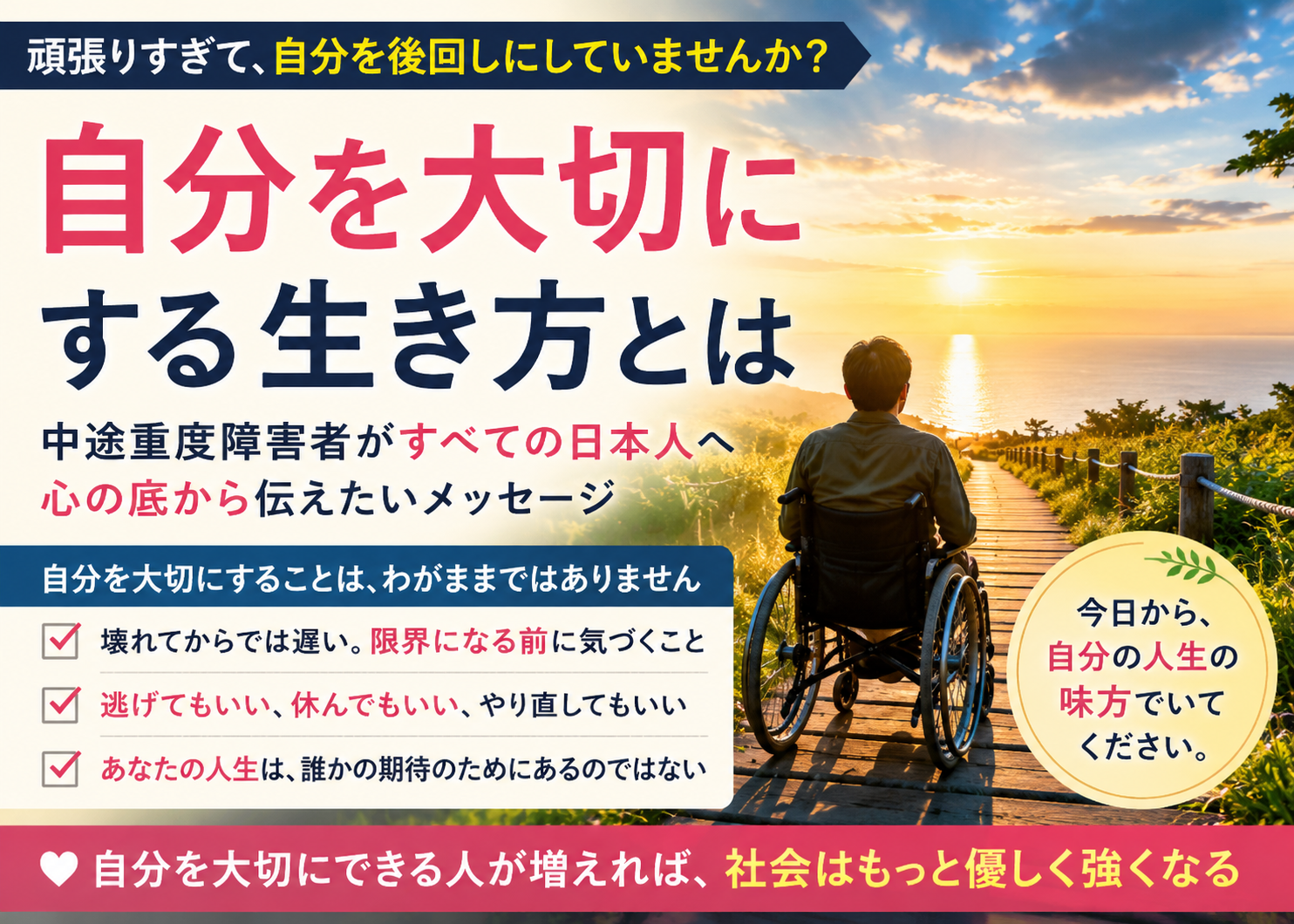
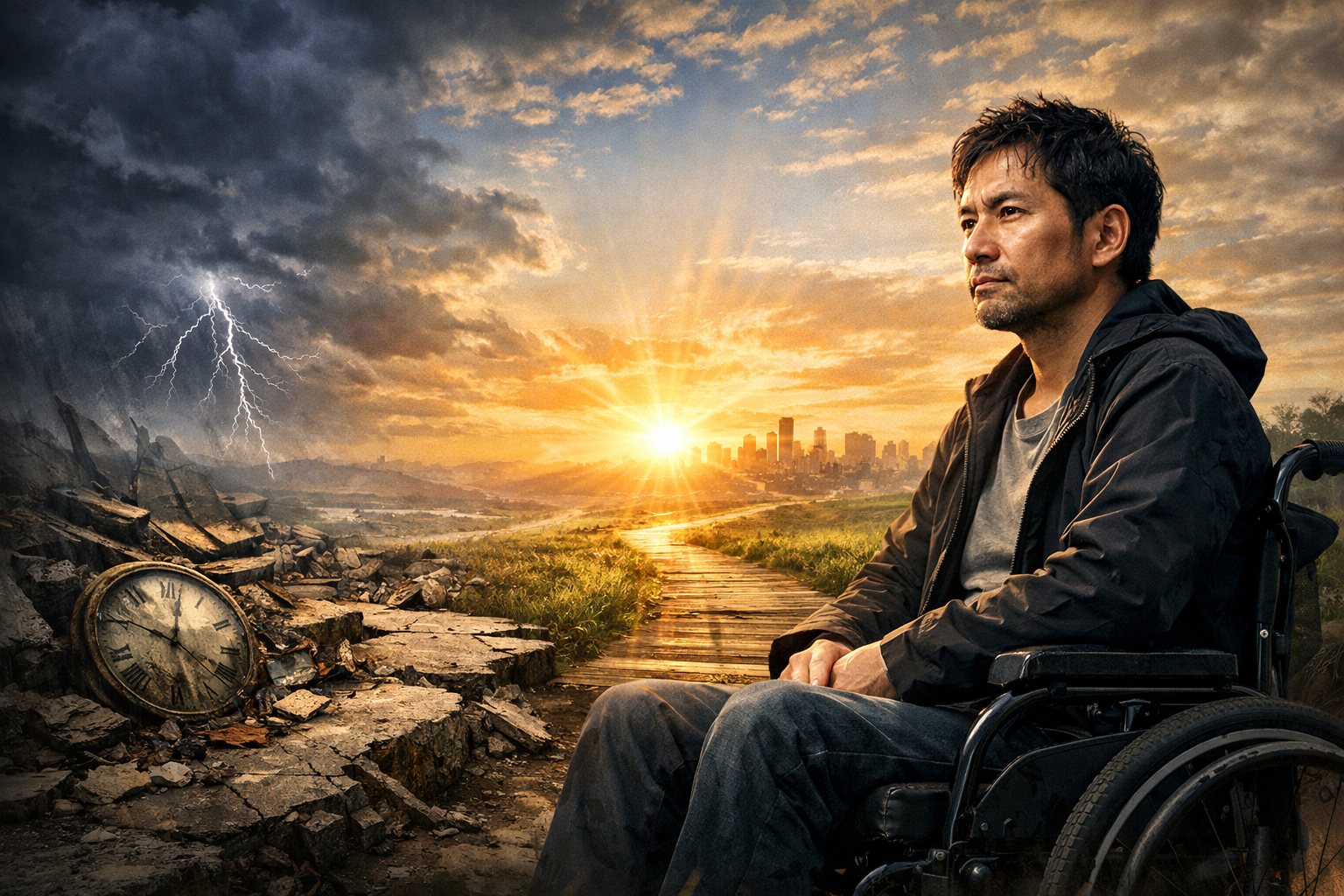
As someone living with hemiplegia from a brain hemorrhage, I confront the reality of limited physical freedom daily. This naturally leads me to reflect on what it means to live—and to die—with dignity.
Disability often means surrendering parts of life to others. But the right to choose how to die remains mine. Like the samurai choosing seppuku or the aristocrat composing a final poem, the decision must come from within.
Toward the Future: Living and Dying Together with Dignity
Traditional Japanese death was not solitary—it happened in relationship: as parent and child, husband and wife, master and retainer. We must return to a culture that can speak of death openly, gently, and without fear.
A mature society is one that supports both autonomy and empathy. Through this, we might restore a culture that embraces death not as taboo, but as part of a shared human journey.
Conclusion: Living with Mono no Aware
The samurai’s fleeting glory and the aristocrat’s enduring elegance both inform how we might live today.
For me, living with disability is not about despair, but about reclaiming the beauty of the present. To bloom—however briefly, however differently—is still to live fully.
Death is not the end. It is a reflection of how we lived. And within that truth lies the grace of being Japanese—a life lived in quiet beauty, and an end accepted with dignity.













コメントを残す