A Deep Dive into the Nature of War and the Possibility of Peace
Meta Description (for SEO)
“War is inevitable”—but is it really? A blogger with a severe acquired disability explores Japan’s pacifist constitution, Costa Rica’s demilitarization, the reality behind territorial and abduction issues, and what true peace means today.
Table of Contents
- Introduction | Is war truly “unavoidable”?
- Chapter 1 | Did war-free societies ever exist?
- Chapter 2 | Challenging the idea that “humans are born to fight”
- Chapter 3 | The realities of “non-warring nations”: Japan and Costa Rica
- Supplement I | Japan’s pacifist constitution—imposed or embraced?
- Supplement II | Costa Rica’s hardships after demilitarization
- Supplement III | Was Japan truly at peace? The case of Takeshima and the abductions
- Chapter 4 | What “non-violent strength” taught me
- Chapter 5 | War doesn’t persist because it’s inevitable—but because we’ve stopped trying
- Conclusion | There is hope beyond “impossible”
<a name=”section1″></a>
Introduction | Is war truly “unavoidable”?
“We can never eliminate war.”
You may have heard this countless times.
People say war is human nature, that conflict is inevitable. But is it?
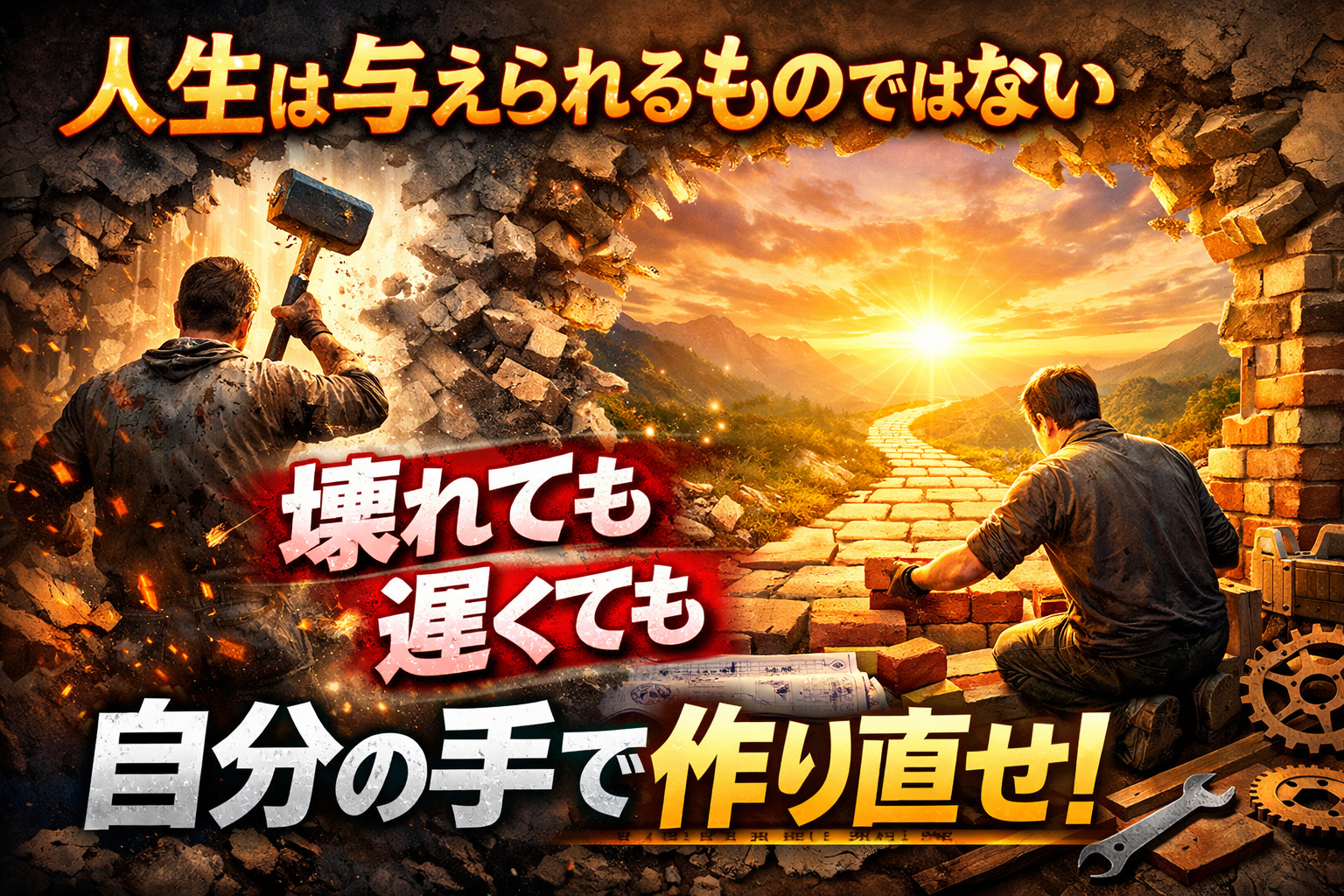
As someone who became severely disabled from a stroke, I was once told, “You may never walk or work again.”
But I didn’t accept that as fate. I came back to society—and now I write, work, and live with purpose.
That’s why I want to ask you to pause and think:
Is war really something we have no choice but to accept?
<a name=”section2″></a>
Chapter 1 | Did war-free societies ever exist?
Japan’s Jomon era—lasting over 10,000 years—left few signs of war.
Archaeological remains show ritual tools, ornaments, and peaceful settlements.
Weapons are rare. So are human remains with battle wounds.
This suggests that some societies may have developed cultures of coexistence over conflict.
<a name=”section3″></a>
Chapter 2 | Challenging the idea that “humans are born to fight”
It’s often said that aggression is innate.
But in 1932, Albert Einstein wrote to Sigmund Freud, asking, “Why war?”
Freud replied: while humans possess a destructive instinct,
it can be suppressed and redirected by education and culture.
So perhaps war is not unavoidable—but a failure to use the tools we already have.
<a name=”section4″></a>
Chapter 3 | The realities of “non-warring nations”: Japan and Costa Rica
● Japan’s Article 9
Japan’s constitution renounces war and forbids maintaining a military force.
For over 70 years, the country has not initiated war.
● Costa Rica’s Military Abolition
Costa Rica abolished its military in 1948.
Despite facing security risks, it reinvested in education, diplomacy, and civil society.
Both countries prove that “choosing not to fight” is a viable national policy—not just idealism.
<a name=”section5″></a>
Supplement I | Japan’s pacifist constitution—imposed or embraced?
Japan’s Article 9 is often criticized as “imposed” by the U.S. after WWII.
But for over seven decades, Japanese society has actively chosen to preserve it.
Even if the idea was introduced externally, how we’ve upheld it is uniquely ours.
That transformation from “imposition” to “conviction” is worth acknowledging.
<a name=”section6″></a>
Supplement II | Costa Rica’s hardships after demilitarization
Costa Rica faced serious threats—border disputes, drug trafficking, and political instability.
Yet, it did not revert to militarization.
Instead, the country doubled down on peacebuilding through democratic processes.
Their resilience shows that peace can survive hardship—if supported by determination.
<a name=”section7″></a>
Supplement III | Was Japan truly at peace?
—The reality of the Takeshima and abduction issues
● The Takeshima Issue
A territorial dispute with South Korea over Takeshima (Dokdo) remains unresolved.
It hasn’t escalated into war, but diplomatic tension continues.
● North Korea Abductions
In the 1970s–1980s, Japanese citizens were abducted by North Korea.
Even today, many families remain in pain and limbo.
So while Japan hasn’t fought wars, it hasn’t been free from conflict or injustice either.
<a name=”section8″></a>
Chapter 4 | What “non-violent strength” taught me
I can no longer fight with force—but I’ve learned to live through dialogue, compassion, and creativity.
Not being able to fight doesn’t mean being powerless.
Choosing not to fight is an act of strength—and of dignity.
<a name=”section9″></a>
Chapter 5 | War doesn’t persist because it’s inevitable—
but because we’ve stopped trying
True peace may be difficult.
But peace is not the absence of conflict—it’s the outcome of constant effort.
When we stop believing in peaceful alternatives, we surrender to war.
Education, empathy, and civil discourse must be our tools for change.
<a name=”section10″></a>
Conclusion | There is hope beyond “impossible”
I was once told I would never walk again.
Now, I walk with a cane, I work, I write—and I live meaningfully.
So when people say, “War will never end,” I want to ask:
“Are you sure?”
“Or have we just stopped trying?”
Peace isn’t a dream—it’s a choice, a process, a commitment.
If this article left even a small question in your heart,
that may be the very first step toward peace.














コメントを残す