Meta Description
As tariff battles escalate worldwide, are we once again approaching the brink of global conflict? In this thought-provoking blog post, a person living with an acquired severe disability offers a deeply personal and intellectual reflection on the history, social impact, and human cost of modern protectionist policies.
Table of Contents
- Introduction: Why Trade War Headlines Stir Unease
- What Are Tariffs? – Drawing Lines, Quietly
- How Tariffs Hit the Vulnerable First – A Personal Perspective
- Echoes of the 1930s: Are We Repeating History?
- A Disabled Person’s Intuition: Sensing Societal Strain
- What Ordinary Citizens Can Do
- Conclusion: Discomfort Is a Vital Social Sensor
1. Introduction: Why Trade War Headlines Stir Unease
In the spring of 2025, the world feels tense. The U.S. imposes high tariffs on Chinese goods. China strikes back. The EU, India, and Russia reinforce their own economic walls. “Economic security” has become the buzzword of the year.
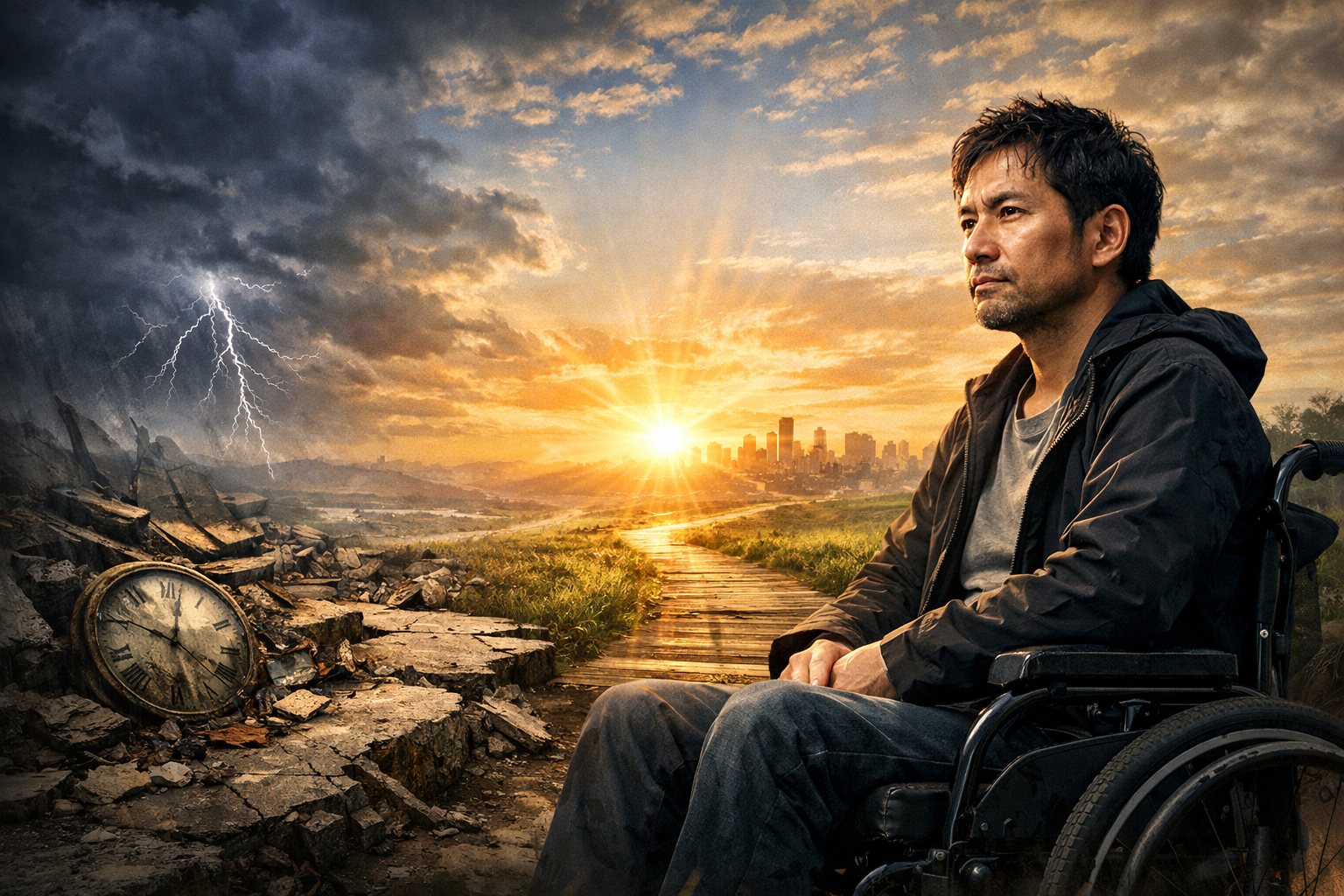
To many, these are just policy updates on the evening news. But for people like me—someone living with a severe acquired disability—these headlines aren’t distant. They signal a shift that could deeply affect my daily life.
Strangely, I feel a sense of déjà vu. Like I’ve read this story before—in history books about the years before World War II.
2. What Are Tariffs? – Drawing Lines, Quietly
Tariffs are taxes placed on imported goods to protect domestic industries and jobs. In theory, they promote national self-reliance. But in practice, they also draw boundaries—“Us vs. Them.”
Tariffs are not neutral. They carry a quiet but powerful message: “We will protect our own, even if it means excluding others.” This message, once repeated across nations, builds invisible walls that isolate economies and, eventually, societies.
3. How Tariffs Hit the Vulnerable First – A Personal Perspective
Tariffs may sound like matters for politicians and CEOs, but their impact reaches us—consumers, patients, caregivers, especially those of us with disabilities.
I rely on many imported assistive technologies: power wheelchairs, voice-input devices, medical accessories. When tariffs increase prices, government subsidies can’t always keep up. What was once essential becomes unaffordable.
This is true for many vulnerable groups:
- People with disabilities
- Low-income families
- Single parents
- Seniors on fixed incomes
Economic walls often crumble at the edges first—where people like us live.
4. Echoes of the 1930s: Are We Repeating History?
In the 1930s, the U.S. passed the Smoot-Hawley Tariff Act to protect its industries during the Great Depression. In retaliation, other nations raised their tariffs. The result: a collapse of global cooperation and a rise in economic blocs. This laid the groundwork for World War II.
Today, the same pattern seems to emerge. U.S.–China tension. Europe and Asia seeking “economic independence.” Nationalism resurging. International trust eroding.
Are we watching history repeat itself—this time through news feeds and trade statistics?
5. A Disabled Person’s Intuition: Sensing Societal Strain
This sense of unease isn’t paranoia. It’s the intuition of someone who has once been cut off from society—someone who knows how quickly systems can fail.
Economic isolation leads to cultural isolation. When societies stop exchanging goods, they often stop exchanging empathy too. For marginalized groups, that means greater risk of exclusion, misunderstanding, and neglect.
We know what societal strain feels like—because we live in its cracks.
6. What Ordinary Citizens Can Do
We don’t need to be economists or politicians to act. Ordinary people can:
- Stay informed about international trade policies
- Learn from history, not just memorize it
- Speak up—through blogs, social media, conversations
“I’m not affected” is a dangerous mindset. In truth, these issues already affect all of us—in ways we often don’t realize until it’s too late.
7. Conclusion: Discomfort Is a Vital Social Sensor
Tariffs may sound technical, but their consequences are personal. Especially for those already on the margins of society, even small policy changes can shake the foundations of daily life.
Feeling anxious about the world is not weakness. It’s a healthy response to real shifts in the systems we live under. It’s the body’s way of saying, “Pay attention.”
As someone living with a disability, I’ve learned to trust that inner warning. And now, more than ever, I want to share it:
Don’t ignore the quiet unease. It might just be what keeps us from walking into disaster, again.
If you’d like, I can also provide a short social media summary, an Open Graph description, or a visual illustration for this post to maximize engagement on platforms like X (formerly Twitter) or Facebook. Would you like those as well?










コメントを残す